|
recaplica
Elsa Morante's History: A Novel, Plot and Publishing Story |
| © 2026 Recaplica · recaplica.com — All rights reserved |
Elsa Morante's History: A Novel, Plot and Publishing StoryWhat to print Page numbers appear when printing with default margins. SlidesChoose a cut Flash10 slidesThe essential thread, to present in classFull15 slidesEvery chapter and the deeper detailBoth come with speaker notes. In 30 seconds quick readElsa Morante published History: A Novel in June 1974, set in Rome between 1941 and 1947. It follows the widowed schoolteacher Ida Ramundo and her two sons, Nino and Useppe, who was born in 1941 after his mother survived an assault by a German soldier, through the bombing raids and the shelters on the city's outskirts. Morante insisted on a cheap edition and a very large first print run, and the novel sold over 600,000 copies in its first five months. Popular success didn't spare it from harsh reviews across the political spectrum, including from her friend Pier Paolo Pasolini. Key Points
Key figures
Deep DiveWho Was Elsa MoranteElsa Morante was born in Rome on August 18, 1912. Her mother, Irma Poggibonsi, was a schoolteacher of Jewish descent from Modena; her biological father, Francesco Lo Monaco, died by suicide in 1943, while her surname came from her registered father, the tutor Augusto Morante. She left her parents’ home at eighteen. In 1941 she married the writer Alberto Moravia, at the church of Gesù in Rome. In the years that followed she published some of the books that would make her one of the most widely read voices of twentieth-century Italian literature: Il gioco segreto (1941), House of Liars (1948, Premio Viareggio), Arturo’s Island (1957, Premio Strega), the poetry collection Alibi (1958) and, later, The World Saved by Kids (1968) and Aracoeli (1982, Prix Médicis Étranger in 1984). She died in Rome on November 25, 1985, at the Villa Margherita clinic. The Plot of History: A NovelThe novel follows Ida Ramundo, a widowed schoolteacher of Jewish descent, and her two sons: Nino, the elder, and Useppe, whom Ida gives birth to in 1941 after a German soldier assaults her. The story runs through Rome between 1941 and 1947, from the city’s bombing raids to life in the shelters on its outskirts, up to the postwar years: in the end both sons die, and Ida is left alone. Readers who know the Second World War only through its military events find a different angle here: the everyday life of an ordinary family caught up in those years, away from the battles. Treccani calls History: A Novel the book most closely tied to Elsa Morante’s name, for the way it tells sweeping collective events through the lives of ordinary people. Stylistically, Treccani notes, Morante shifts between a spoken register and poetry, a dreamlike and visionary tone, while still grounding the story in concrete reality. The book opens with two epigraphs: a line attributed to a survivor of Hiroshima, on the impossibility of consoling someone who doesn’t know why they died, and a passage from the Gospel of Luke (10:21). A Novel Meant to Reach EveryoneMorante didn’t send History: A Novel through the usual hardback release. She published it straight in a low-cost edition, in Einaudi’s Gli Struzzi series, as volume 58, in June 1974, after roughly three years of work that had begun in 1971.
The bet paid off commercially. In its first five months, from June to November 1974, History: A Novel sold over 600,000 copies. A Publishing Phenomenon, Between Success and ControversyPopular success didn’t settle the matter for critics. The novel was attacked by left-wing circles, who faulted it for pessimism and a lack of ideological perspective, while criticism also came from the right. Pier Paolo Pasolini, a personal friend of Morante’s, devoted two long articles to the book, judging some of its parts unripe, not ready for publication. The cover of the 1974 first edition also carried the line “a scandal that has lasted ten thousand years,” later dropped from the second edition. For Einaudi, which still keeps it in print, History: A Novel remains Elsa Morante’s most widely read novel and the one that sparked the most debate. Readers who want to compare History: A Novel with other twentieth-century Italian novels that weave private lives into sweeping historical events can turn to the Recap on The Leopard by Tomasi di Lampedusa, or the one on Cesare Pavese, another author working on related themes from a different angle in the same years. The theme of bearing witness to those years, told by someone who lived through them, also runs through the Recap on Primo Levi. Slide deckSlides ready to download and make your own in PowerPoint or Google Slides, with speaker notes. Pick the Flash cut or the Full one.  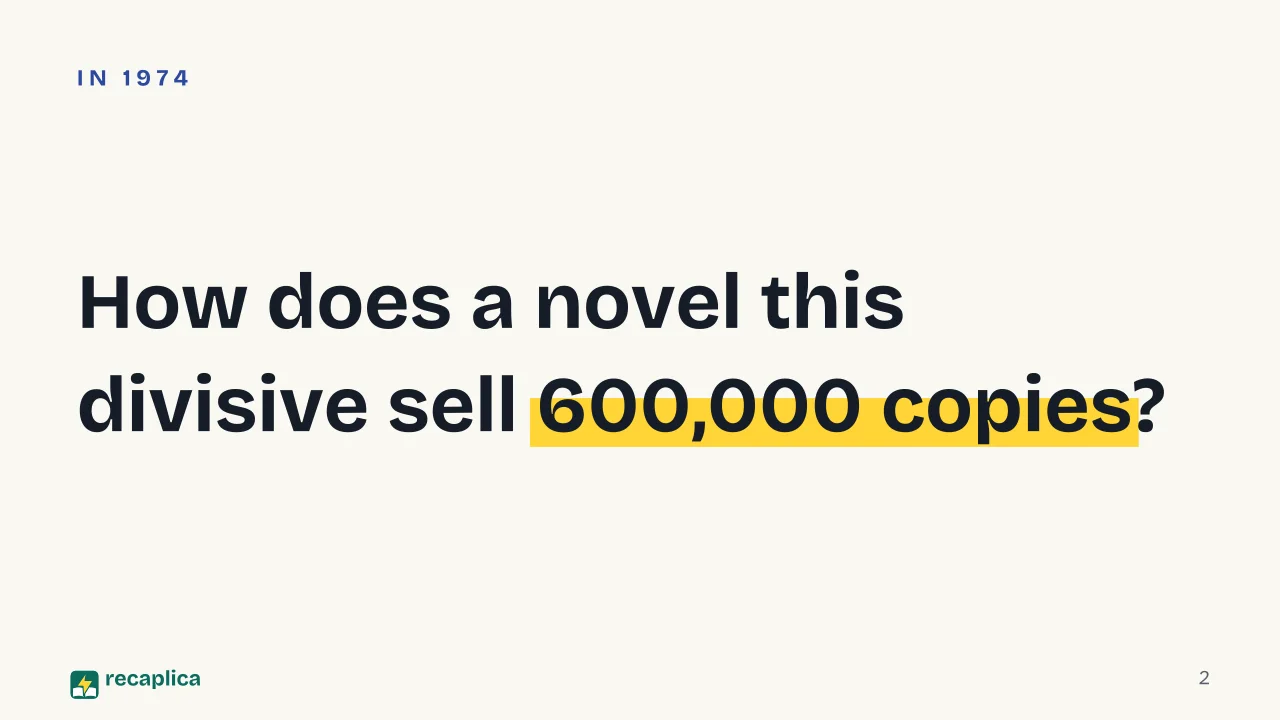   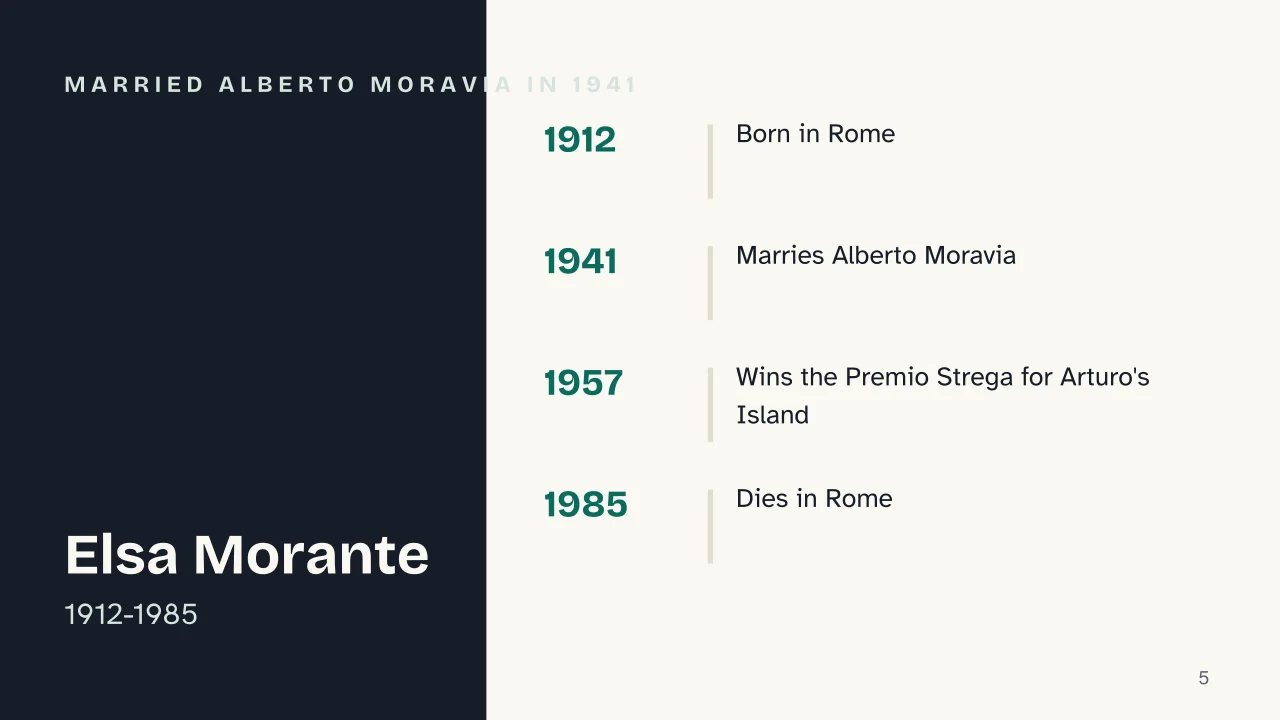  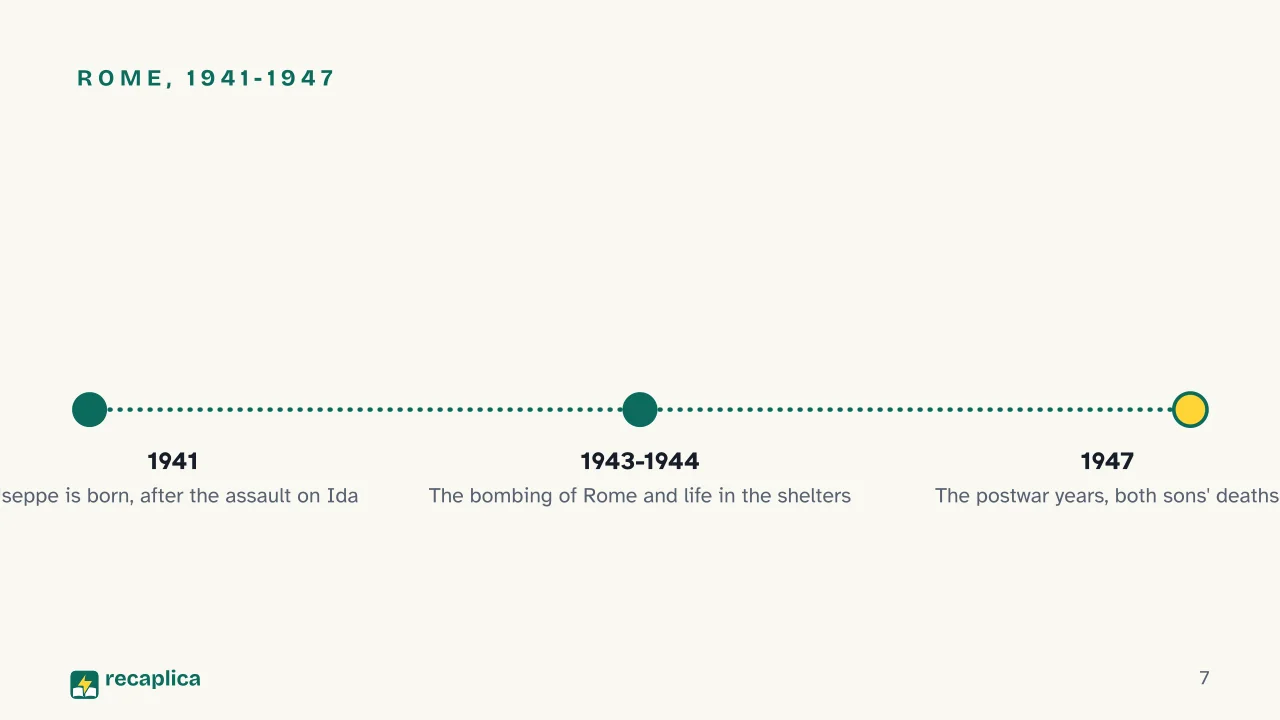 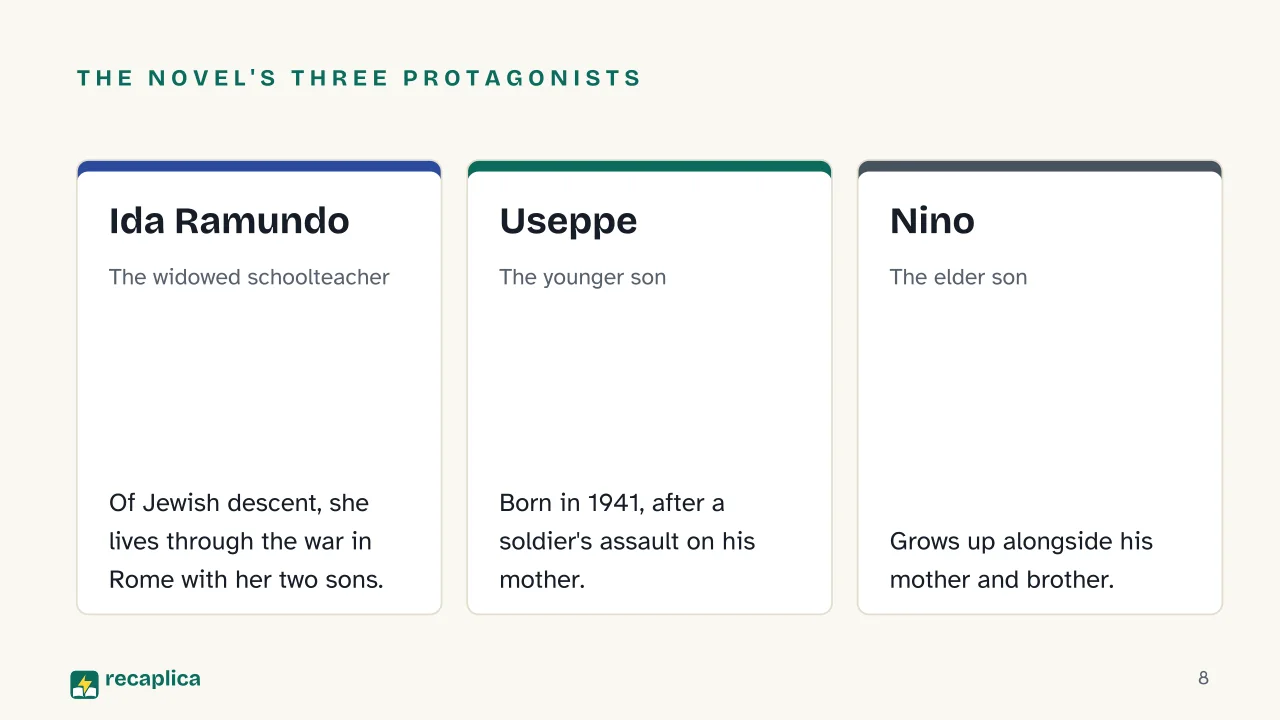  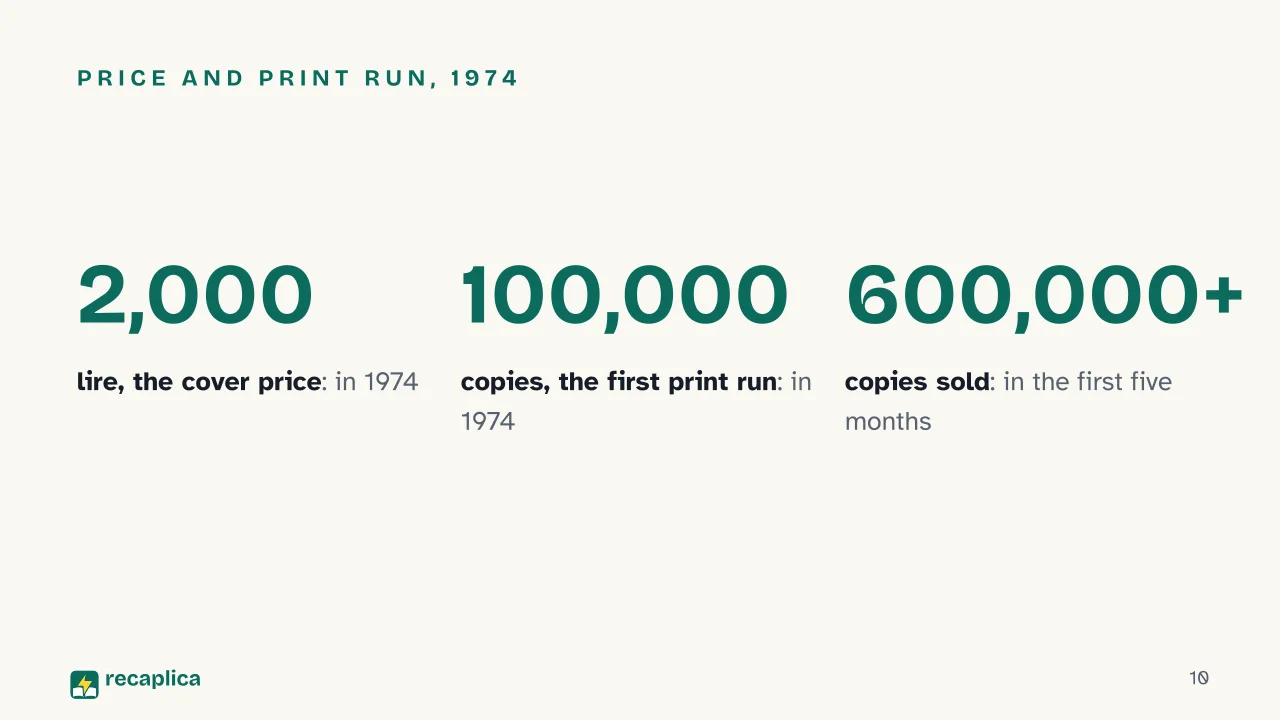 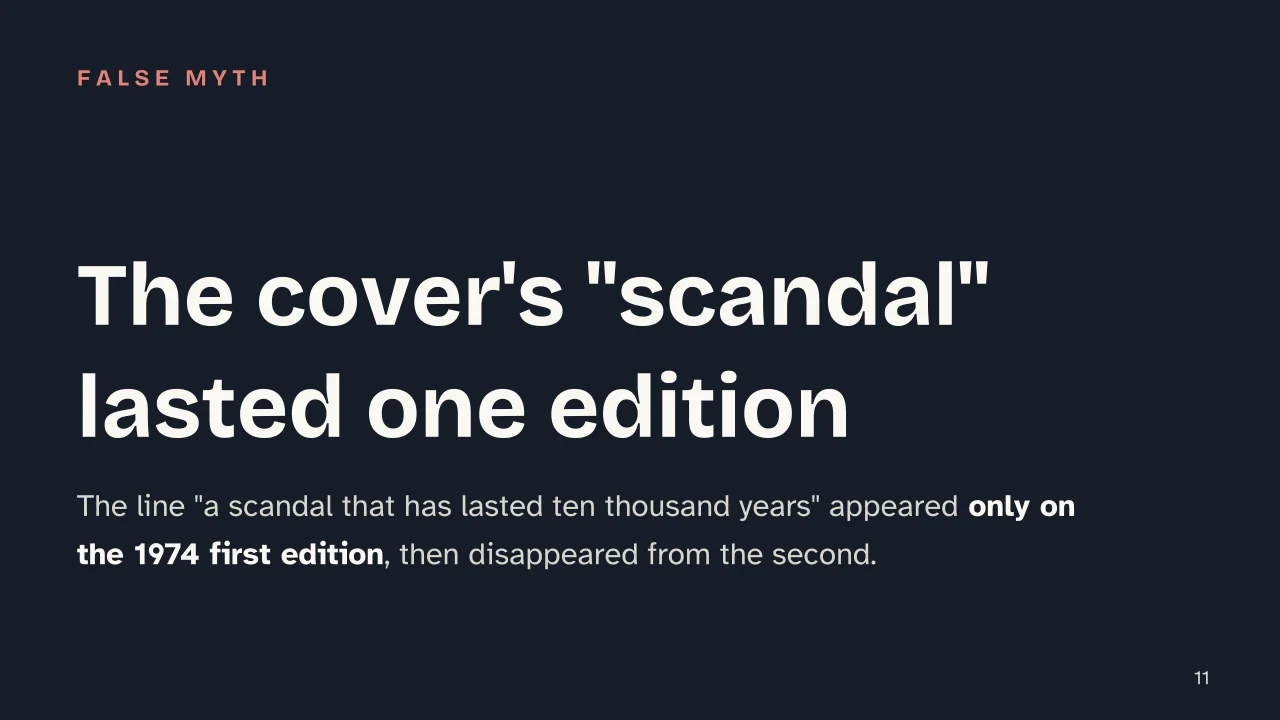  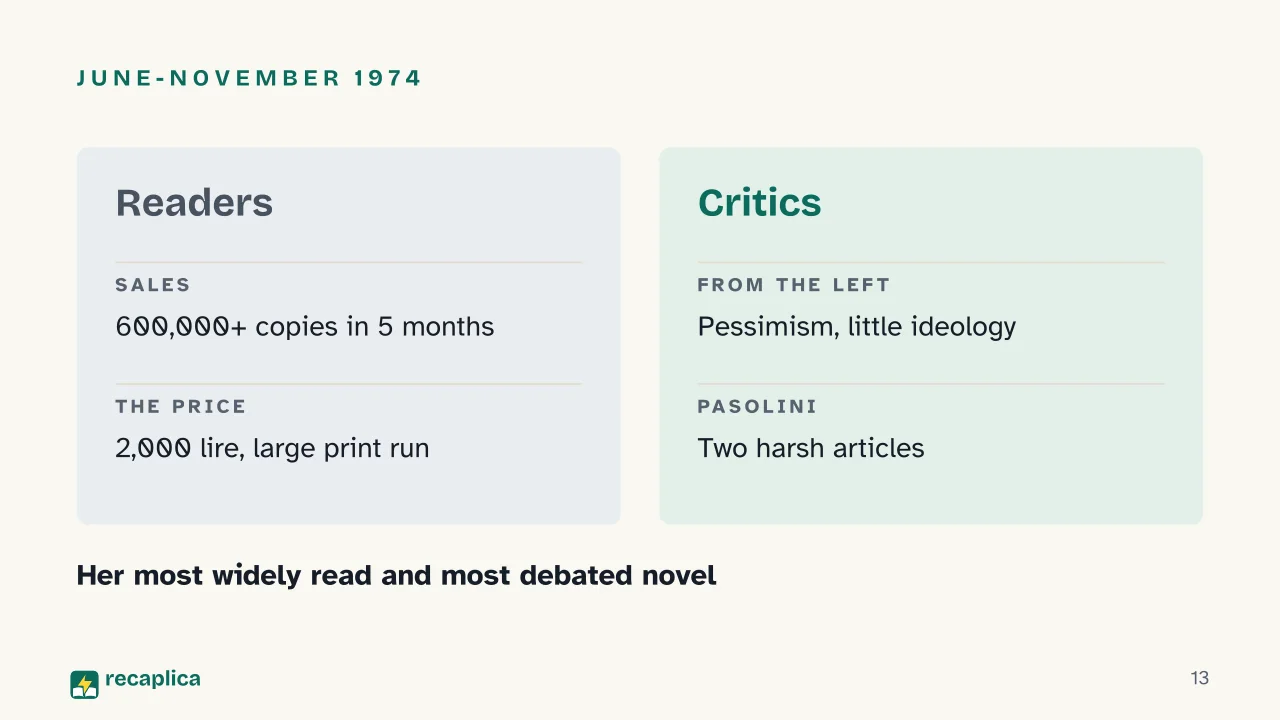   Common myths
Mind mapDrag the background to move around and the nodes to reposition them; use − and + to collapse and expand branches. 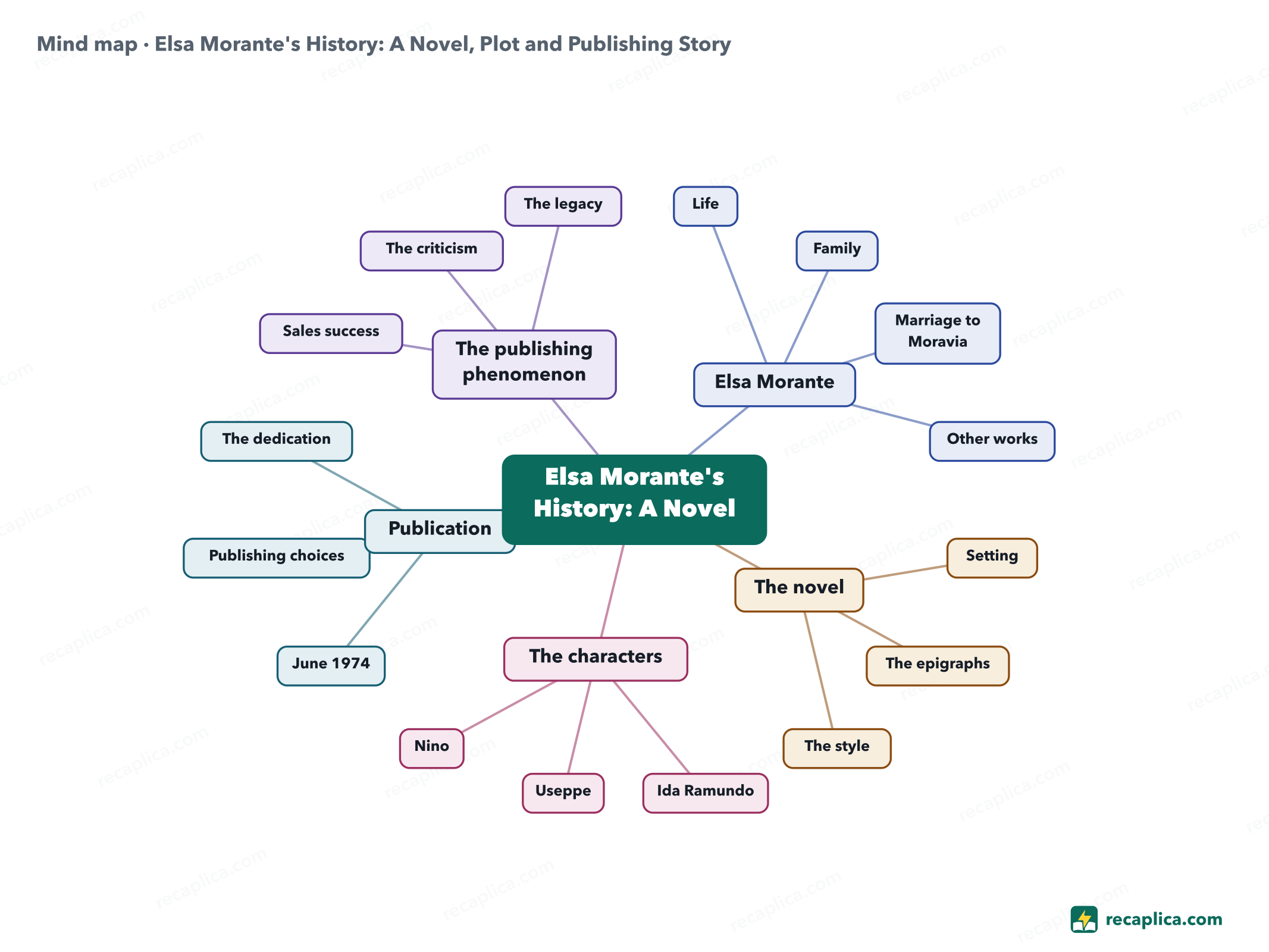
Quiz: test yourselfAnswer the questions to check what you have learned: you get instant feedback and a short explanation. Grade 0/10 0/5
FlashcardsTap the card to flip it and check whether you remember the answer, then move to the next one. 1 / 8 Explain it in your own wordsThe ultimate test: if you can explain it in simple words, you've truly understood it. Write your explanation, then compare it with the Recap. Your explanation is saved only on this device.
Frequently asked questionsWhat is Elsa Morante's History: A Novel about?It follows Ida Ramundo, a widowed schoolteacher of Jewish descent, and her sons Nino and Useppe, in Rome between 1941 and 1947, through the bombing raids and life in the shelters, up to the postwar years. Who wrote History: A Novel?Elsa Morante, a writer born in Rome in 1912 and who died in 1985, also known for Arturo's Island and House of Liars. Why did History: A Novel become a publishing phenomenon?Because Morante insisted on a low price and a very large print run, and the book went on to sell over 600,000 copies in its first five months, while also drawing harsh criticism from both the right and the left. Did History: A Novel win any literary prizes?No, it isn't among Elsa Morante's prize-winning works. Other novels of hers were: Arturo's Island won the Premio Strega in 1957, and House of Liars won the Premio Viareggio in 1948. What does the phrase "a scandal that has lasted ten thousand years" mean?It was a line printed on the cover of the 1974 first edition, then dropped from the second edition — it isn't a fixed subtitle of the novel. Every Recap goes through an independent review before publication. |