|
recaplica
What Is a Narwhal? The Truth Behind the Arctic «Unicorn of the Sea» |
| © 2026 Recaplica · recaplica.com — All rights reserved |
What Is a Narwhal? The Truth Behind the Arctic «Unicorn of the Sea»What to print Page numbers appear when printing with default margins. SlidesChoose a cut Flash10 slidesThe essential thread, to present in classFull18 slidesEvery chapter and the deeper detailBoth come with speaker notes. In 30 seconds quick readA narwhal is an Arctic whale in the dolphin family, a toothed whale set apart from the large baleen whales. It lives among the ice of the Arctic Ocean, shifting with the seasons between the pack ice and coastal waters. In adult males, one of the upper teeth grows out through the lip into a long spiral that can reach about 3 meters: it is this tooth, thought by the sources to work mainly as a way of ranking males against each other, that gets mistaken for a horn. The same mix-up follows the "pink narwhal" seen on plush toys and memes, an imaginary creature that looks nothing like the pale, grey-toned animal that actually exists. Key Points
Key figures
Deep DiveA Toothed Whale, Not a True WhaleAccording to NOAA Fisheries, a narwhal belongs to the order Cetacea and the family Monodontidae, the same family as the beluga. It is a toothed whale, meaning a whale with teeth: NOAA Ocean Exploration notes this is unusual, since it has no functional teeth in its mouth besides the males’ tusk. True whales, the ones with baleen plates that filter krill out of the water, belong instead to the baleen whales: NOAA Fisheries’ general cetacean page points out that this is exactly the technical split, teeth versus baleen, fish and squid versus filtered krill, that separates the two families. A narwhal, despite carrying “whale” in its common name, sits on a branch of the cetacean family tree closer to dolphins, set apart from the large baleen whales — a kinship that reflects the same pattern of branching diversification that Darwin’s theory of natural selection explains, pulling the two cetacean lines apart over time. What the Tusk Actually IsIn males, once they reach roughly two to three years of age, it’s normally the left upper tooth that develops into the tusk, according to NOAA Fisheries: a spiral growth that can reach about 3 meters in length and weigh over 9 kg. NOAA Ocean Exploration describes the same structure as a single long, straight tooth that juts out from the upper left jaw with a counterclockwise spiral pattern. WWF Arctic reports a shorter average length, around 190 cm, with a record specimen measured at 267 cm: the sources agree on the tusk being a tooth, but not on its typical size.
In females the tusk is almost always absent or barely noticeable. Only in rare cases, according to observations gathered by the same sources, does a second tooth also grow into a small tusk in males. Why a Narwhal Has That TuskNOAA Fisheries presents the tusk’s function as a hypothesis rather than a settled fact: it is thought to work mainly as a secondary sexual trait, letting males gauge their rank against each other without violent fights, and it may also play a part in female mate choice. NOAA Ocean Exploration backs this largely social role, tied to dominance within groups. A second, more marginal hypothesis, according to the same sources, treats it as a possible sensory tool: the tusk’s surface is lined with tiny channels in direct contact with seawater, which could let a narwhal pick up on changes in the environment around it. National Geographic proposes a hypothesis close to the rank idea, suggesting the tusk may serve to impress females or to spar with rival males — again presented as a hypothesis, not an established fact. A Life Set by the IceA narwhal lives only in the waters of the Arctic Ocean, according to NOAA Ocean Exploration, where darkness and ice cover each claim roughly half the year. According to NOAA Fisheries, it makes a seasonal migration tied to the ice. In winter it stays in the Arctic pack ice, where cracks and breathing holes let it surface for air. With the arrival of spring and summer it moves toward coastal waters, then reaches open water in autumn. It is also a deep diver: NOAA Ocean Exploration describes it diving beyond 1,800 meters, spending much of its time below 800 meters — a habit that makes it hard to observe in the wild. How Many Are Left, According to Two Different CountsAdult females measure about 4.2 meters on average and weigh around 1,000 kg; males reach about 4.8 meters and 1,600 kg, according to NOAA Fisheries. WWF Arctic reports slightly higher figures, up to 5.4 meters and 1,900 kg in males, while National Geographic places the adult body between 4 and 6 meters and around 1.4 tonnes: three different estimates for the same animal, a sign of how hard it is to measure precisely a species that spends almost its entire life out of human sight. On conservation status, the sources don’t agree. WWF Arctic estimates about 123,000 mature individuals in the wild and cites the “Least Concern” classification given by the IUCN Red List in 2017. National Geographic, in the text consulted for this Recap, instead describes the species as “near threatened,” without stating the year of that assessment. The two classifications reflect different readings of the same body of evidence: the 2017 IUCN assessment remains the one with a verifiable date, while National Geographic’s more cautious call signals that experts aren’t unanimous about the species’ outlook. Across its whole range, a narwhal has legal protection under the U.S. Marine Mammal Protection Act and is listed under CITES Appendix II, according to NOAA Fisheries. Slide deckSlides ready to download and make your own in PowerPoint or Google Slides, with speaker notes. Pick the Flash cut or the Full one.     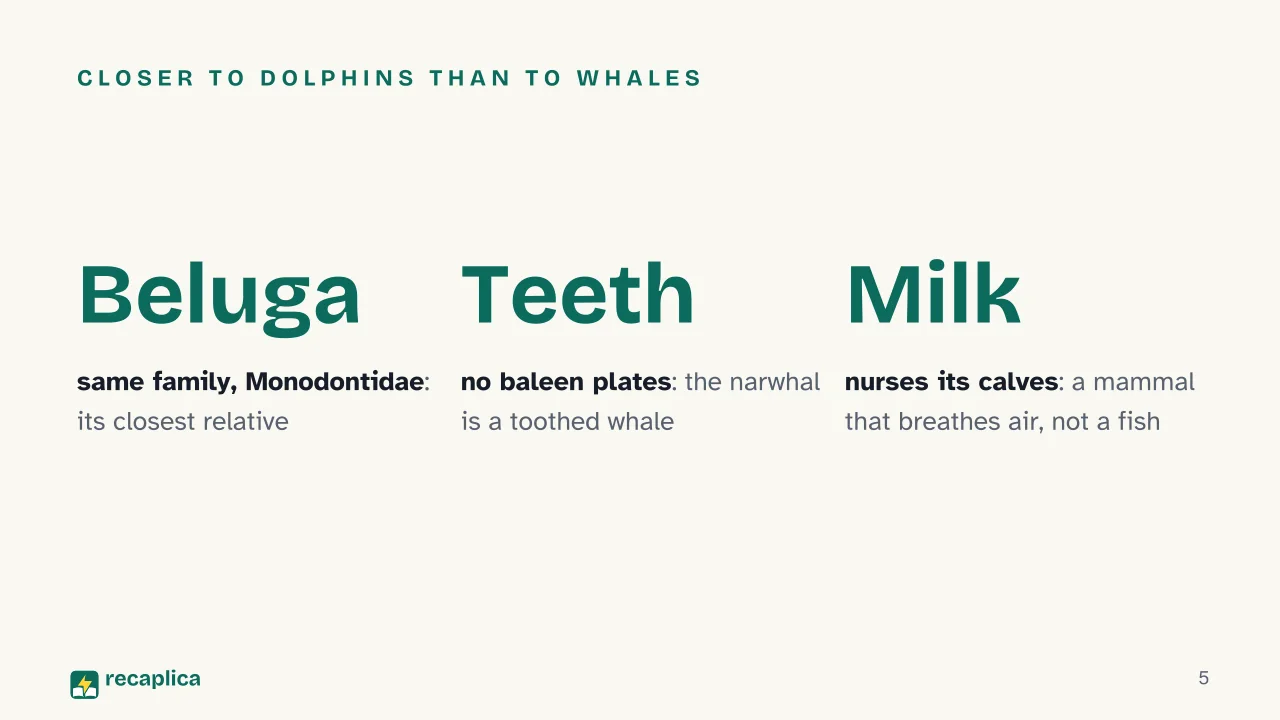 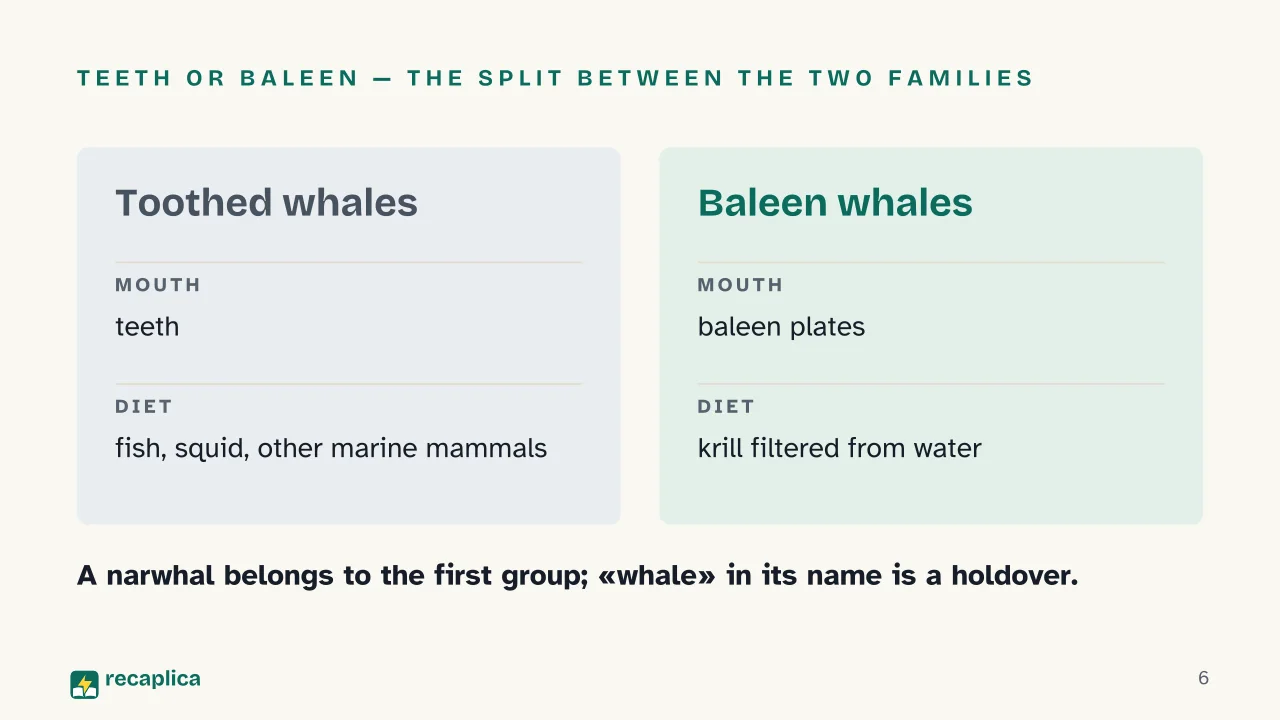  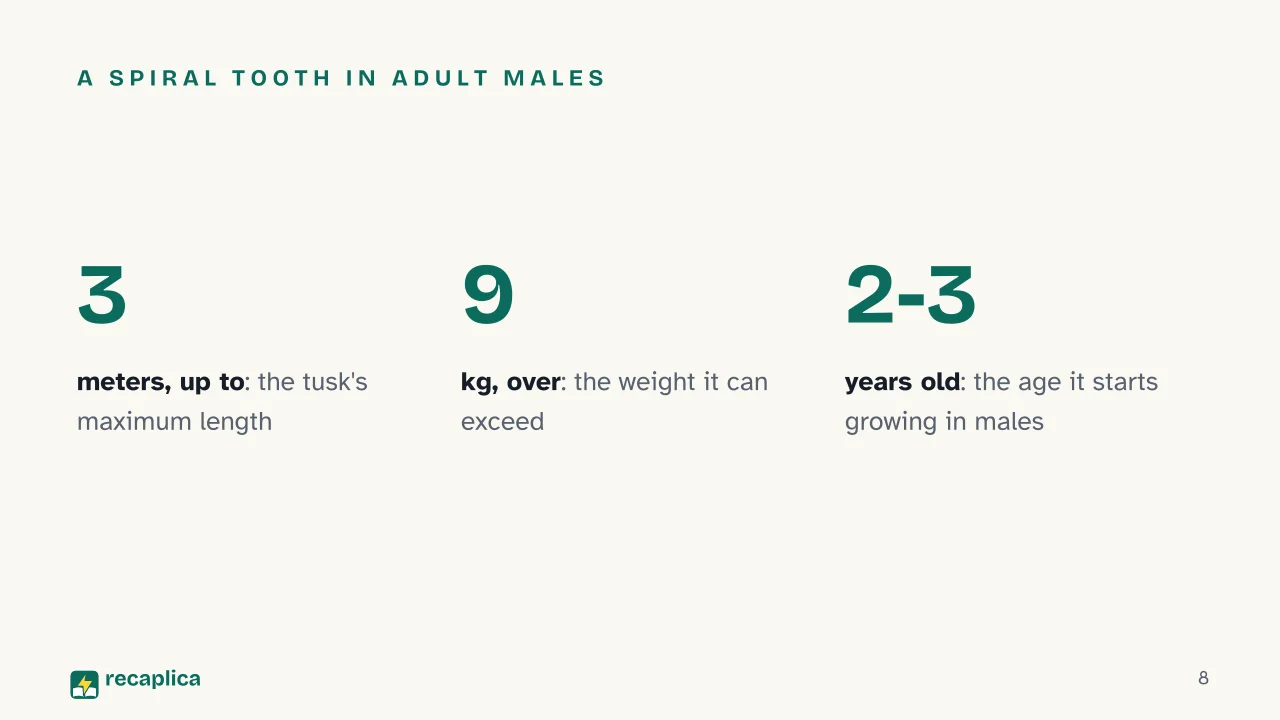  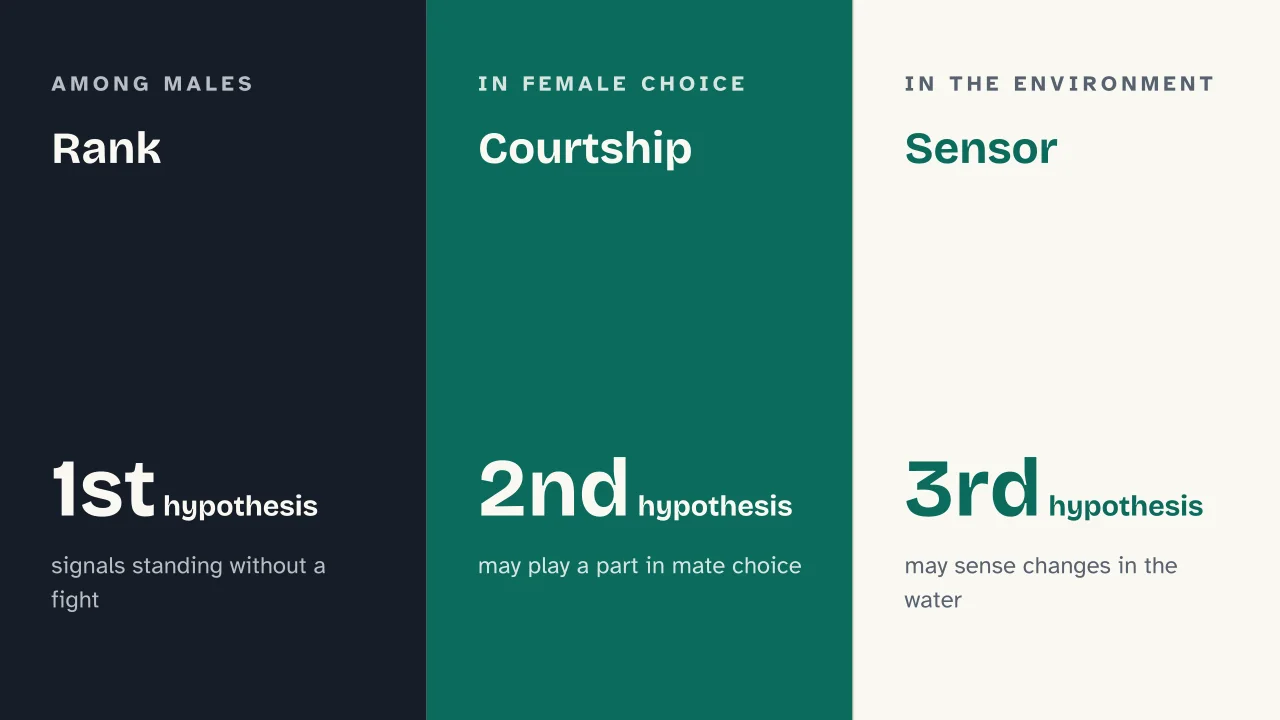   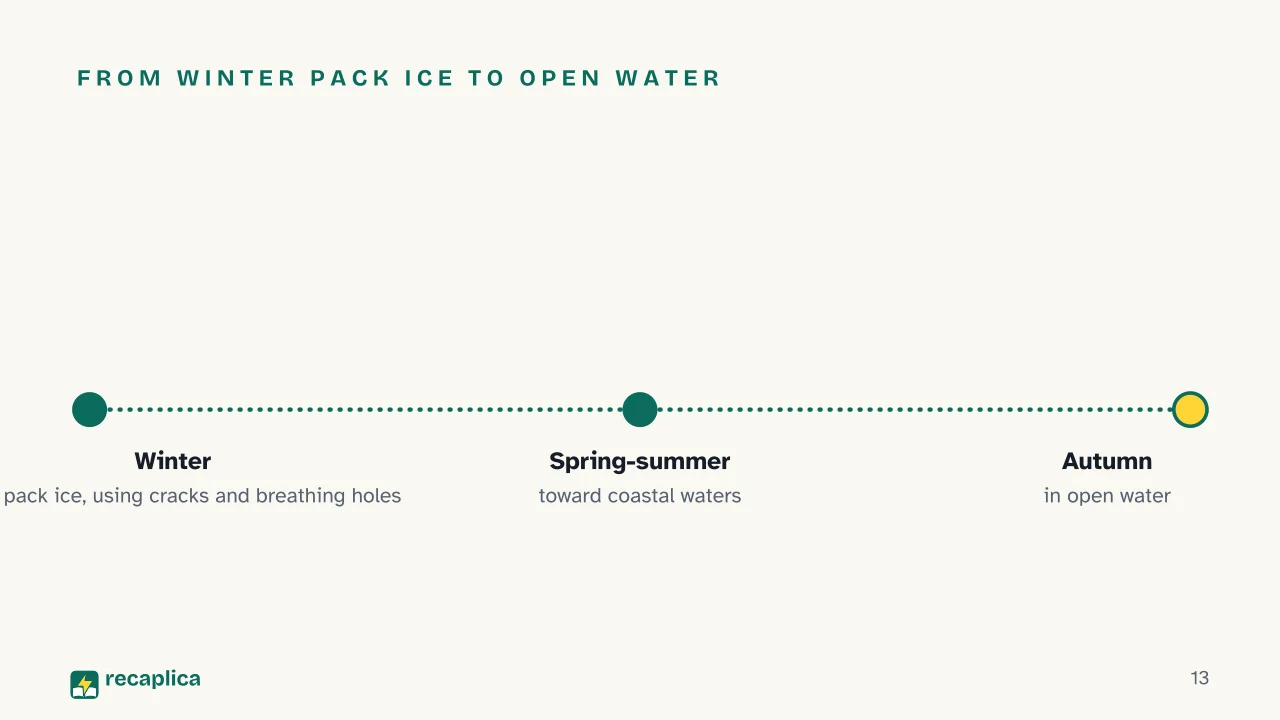 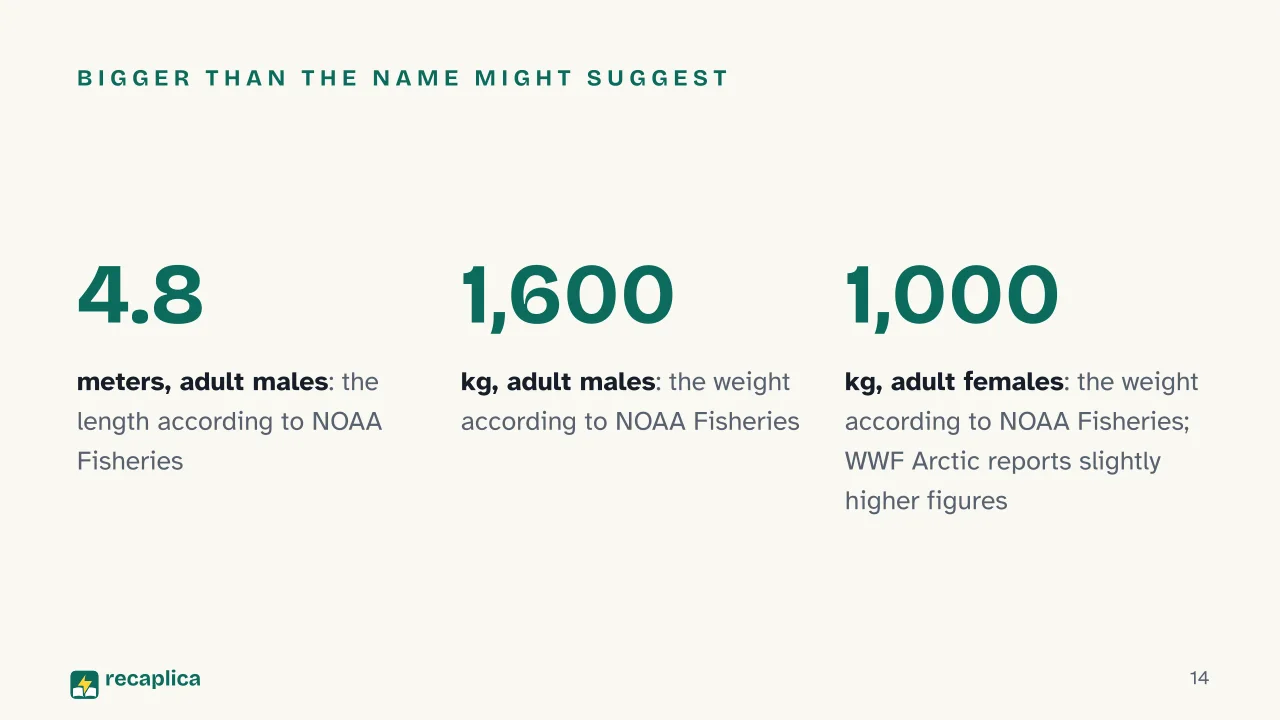 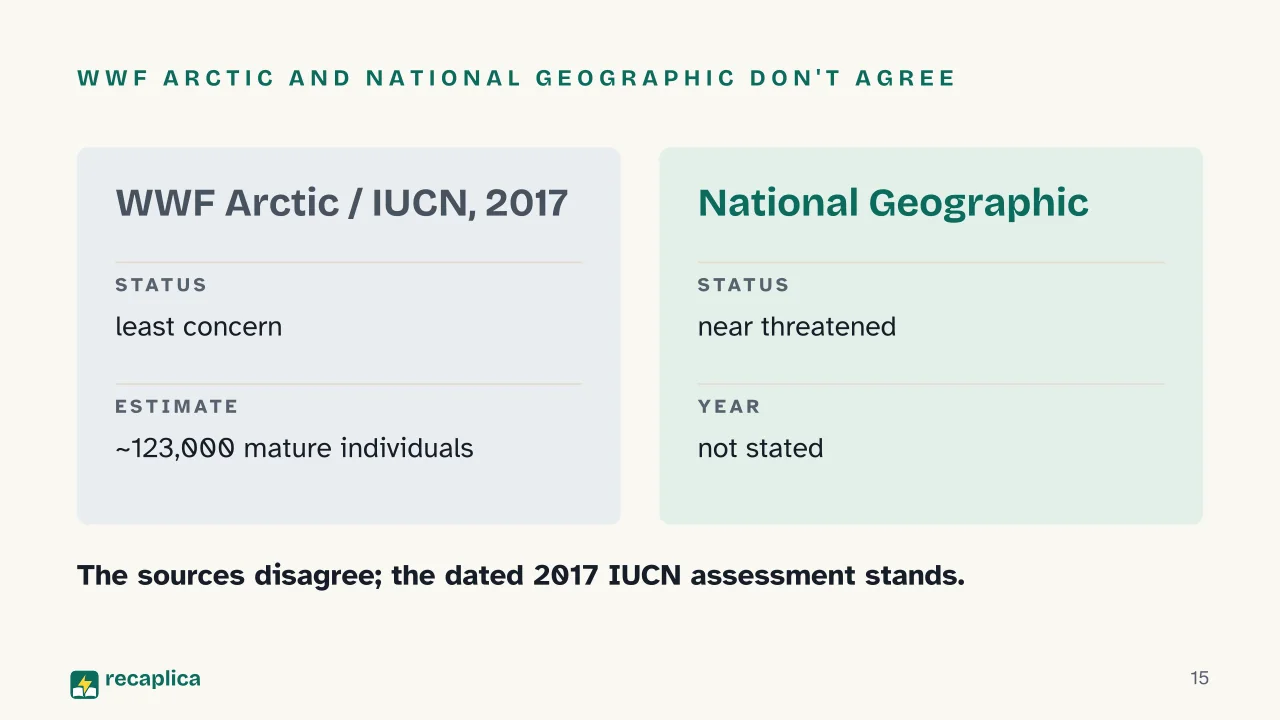 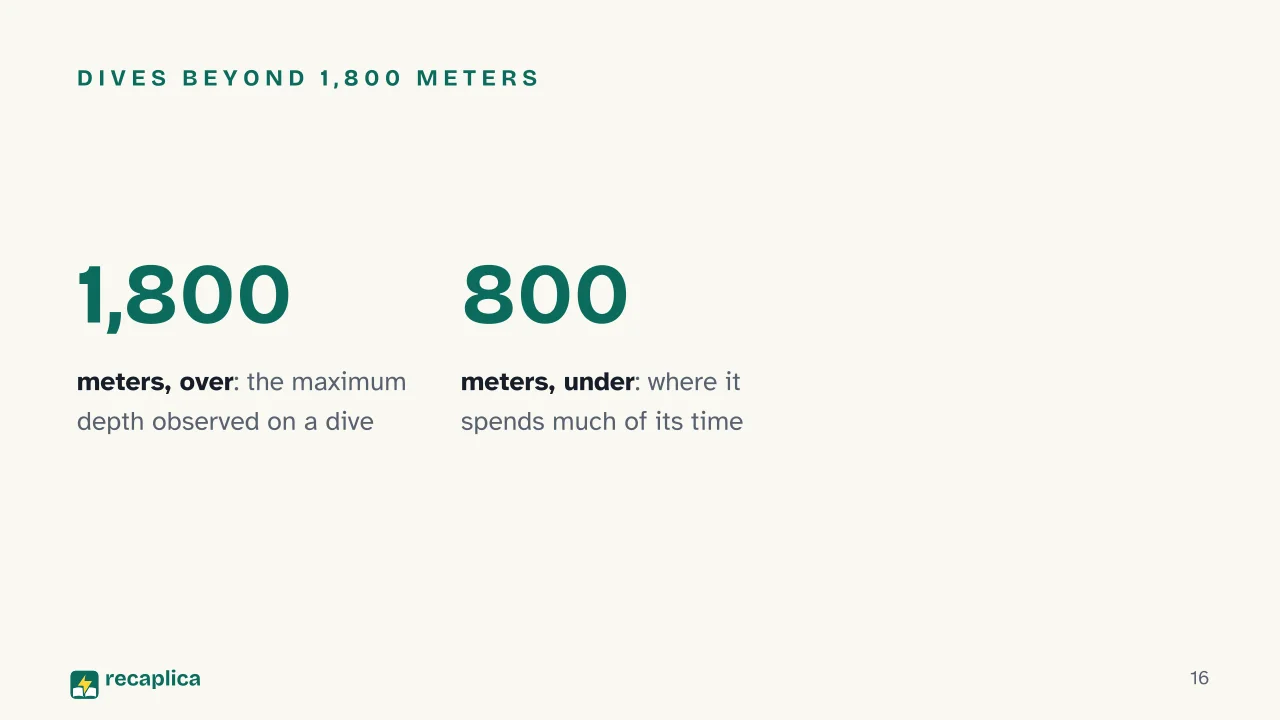   Common myths
Mind mapDrag the background to move around and the nodes to reposition them; use − and + to collapse and expand branches. 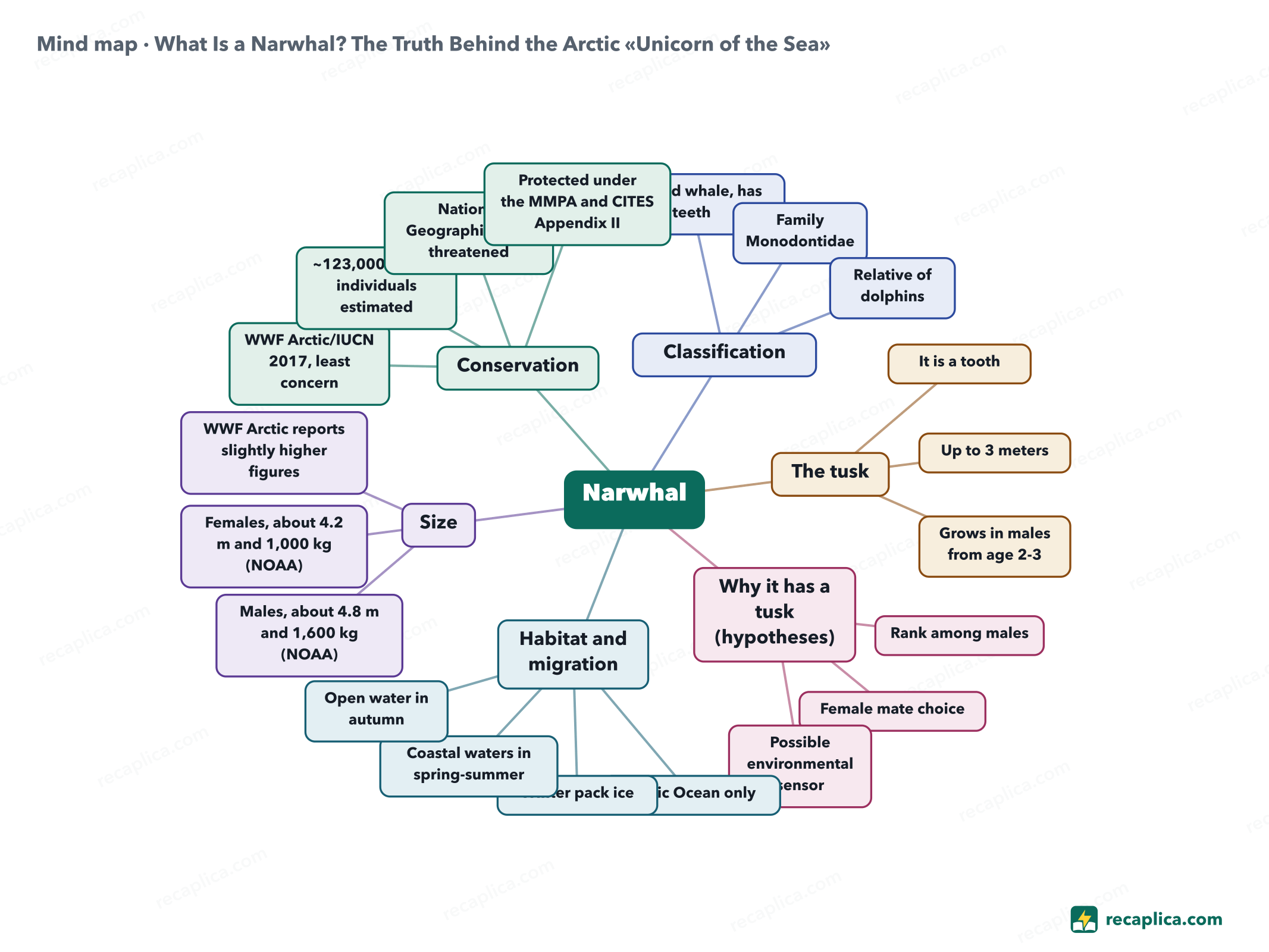
Quiz: test yourselfAnswer the questions to check what you have learned: you get instant feedback and a short explanation. Grade 0/10 0/5
FlashcardsTap the card to flip it and check whether you remember the answer, then move to the next one. 1 / 7 Explain it in your own wordsThe ultimate test: if you can explain it in simple words, you've truly understood it. Write your explanation, then compare it with the Recap. Your explanation is saved only on this device.
Frequently asked questionsIs a narwhal a fish?No, it is a marine mammal, a whale in the family Monodontidae: it has lungs to breathe, warm blood, and nurses its calves with milk, even though it spends its whole life in water. Does the pink narwhal actually exist?No. The real animal has a pale, grey-toned coloring. The «pink narwhal» spread by plush toys, games, and memes is an invented creature that doesn't match what a real narwhal looks like. Is a narwhal's tusk a horn?No, it is a tooth. It grows in a spiral out through the lip, usually from the left side of an adult male's upper jaw, starting just past two years of age, according to NOAA Fisheries. Why is a narwhal sometimes called a «horned whale» if it isn't a true whale and has no horn?It's a popular nickname that mixes up two things: the word «whale» is a historical holdover in its common name, while a narwhal is actually a toothed whale, not a baleen whale; and the «tusk» that looks like a horn is in fact one of its teeth. Is a narwhal related to the beluga whale?Yes. Narwhals and belugas are the two living species in the family Monodontidae, both toothed whales that live in Arctic and sub-Arctic waters, according to NOAA Fisheries. Every Recap goes through an independent review before publication. |