|
recaplica
How the Immune System Works: Barriers, Cells, and Memory | ||||||||||||||||||
| © 2026 Recaplica · recaplica.com — All rights reserved | ||||||||||||||||||
How the Immune System Works: Barriers, Cells, and MemoryWhat to print Page numbers appear when printing with default margins. SlidesChoose a cut Flash10 slidesThe essential thread, to present in classFull17 slidesEvery chapter and the deeper detailBoth come with speaker notes. In 30 seconds quick readThe immune system isn't a single organ — it's a network of barriers, cells and organs scattered across the whole body. Skin and mucous membranes form the outer wall, stopping most invaders before they get anywhere. Anything that gets past this wall runs into innate immunity, fast but generic, and then adaptive immunity, slower but aimed at that one invader specifically. Adaptive immunity also leaves something behind: memory, which is why a second encounter with the same pathogen gets a much quicker response. Key Points
Deep DiveThe body runs into microbes constantly — in the air it breathes, in food, on the skin — and most of the time it never even notices. According to the MSD Manual Professional Edition, the first reason is that skin, corneas and mucous membranes act as an outer wall, stopping most pathogens before they ever reach the tissues underneath. The barriers: the outer wallThe epidermis is covered in keratin, and its keratinocytes secrete antimicrobial peptides called defensins; sebaceous and sweat glands add substances such as lactic acid and fatty acids, which make the skin’s surface inhospitable to many microorganisms. The corneas are protected by tears, which carry their own defensins and host macrophages, dendritic cells and T cells. The respiratory, gastrointestinal and genitourinary mucous membranes are lined with mucus rich in antimicrobial substances: lysozyme, lactoferrin, and a particular antibody, secretory immunoglobulin A (SIgA). When a pathogen does manage to get past these barriers, the rest of the immune system takes over, split into two coordinated strategies: innate immunity and adaptive immunity. Innate immunity and adaptive immunityInnate immunity is present from birth and, according to the NIAID (National Institute of Allergy and Infectious Diseases), switches on immediately once circulating cells detect a problem. These cells — neutrophils, monocytes, macrophages, natural killer (NK) cells, dendritic cells — carry pattern-recognition receptors known as Toll-like receptors (TLRs), which can spot traits shared by viruses, bacteria and fungi without ever having met that particular invader before. It’s a fast, broad response that typically produces inflammation. Adaptive immunity, also called acquired immunity, works differently. It develops after birth and needs exposure to an antigen — any molecule the immune system is capable of recognizing, such as a protein on a virus’s surface — before it becomes fully effective. Its main players are B cells and T cells, each carrying unique receptors built to recognize one specific target rather than a general pattern: the first encounter with a new antigen takes days to answer, because the response has to be built from scratch for that exact target, and that same encounter is what leaves memory behind.
The two branches don’t operate in isolation: the NIAID describes innate and adaptive immunity as working “in tandem,” with different strategies but constant communication between them. Dendritic cells, part of the innate system, are a concrete bridge between the two: after meeting a pathogen, they present fragments of it to T cells, setting the adaptive response in motion. T cells and B cells: two different jobsB cells mature mainly in the bone marrow. Their main job is turning into plasma cells, which secrete soluble antibodies specific to one antigen — the basis of what’s called humoral immunity. Thanks to the random rearrangement of certain immunoglobulin gene segments — the same kind of mechanism that makes the enormous variety written into everyone’s DNA possible — B cells as a group have the potential to recognize an enormous number of different antigens, despite making up only 5-10% of the lymphocytes circulating in the blood. T cells, on the other hand, mature in the thymus. Within this population sit distinct subgroups with separate jobs: CD4 helper T cells, for example, include the Th1 subtype (which helps control intracellular infections through cytotoxic T cells and macrophages) and the Th2 subtype (particularly effective at driving antibody production by B cells). Cytotoxic T cells, mostly CD8, can kill an infected cell directly once fully activated, triggering its apoptosis — the engine behind what’s known as cell-mediated immunity. There are also regulatory T cells, which dial the immune response down rather than fueling it further. Working alongside T and B cells are innate immune cells such as macrophages (in two functional flavors, pro-inflammatory M1 and anti-inflammatory M2), neutrophils, which alone make up 40-70% of circulating white blood cells, and NK cells, accounting for 5-15% of the mononuclear cells in peripheral blood and considered important for surveillance against tumors and viral infections.
All of these cells are born and mature in specific lymphoid organs and tissues: the bone marrow and thymus produce and mature lymphocytes, while lymph nodes and the spleen — secondary lymphoid tissues — are where lymphocytes meet antigens arriving from tissues and blood respectively, alongside mucosa-associated lymphoid tissue such as the tonsils, adenoids and Peyer’s patches. Immune memoryOnce an immune response has run its course, not every cell involved dies off. Some T and B cells differentiate into memory cells and are spared from apoptosis: they stay in reserve for years, ready to reactivate far more quickly if the same antigen ever shows up again. Italy’s national health institute, on its EpiCentro portal, describes immune memory as the immune system’s ability to remember which microorganisms have already attacked the body and to respond faster the next time they appear; it also notes that the absence of this memory is why young children come down with common infectious illnesses more often than adults — a pattern connected to what happens during the First 1000 Days of Life, while the immune system is still building its library of memory. Faced with a completely new pathogen and no prior memory, the body can take up to two weeks to manufacture enough antibodies to fight it off. Tied to memory is another textbook distinction: active immunity versus passive immunity. In active immunity, a person’s own immune system builds a long-lasting response, memory included, whether triggered by a natural infection or by a vaccine. In passive immunity, protection instead comes from ready-made antibodies transferred from somewhere else: it happens naturally when maternal antibodies pass to a newborn through the placenta or colostrum, or artificially through donor serum or monoclonal antibodies. It’s faster protection, since no manufacturing time is needed, but also shorter-lived, since it leaves no memory cells of its own behind. Slide deckSlides ready to download and make your own in PowerPoint or Google Slides, with speaker notes. Pick the Flash cut or the Full one.     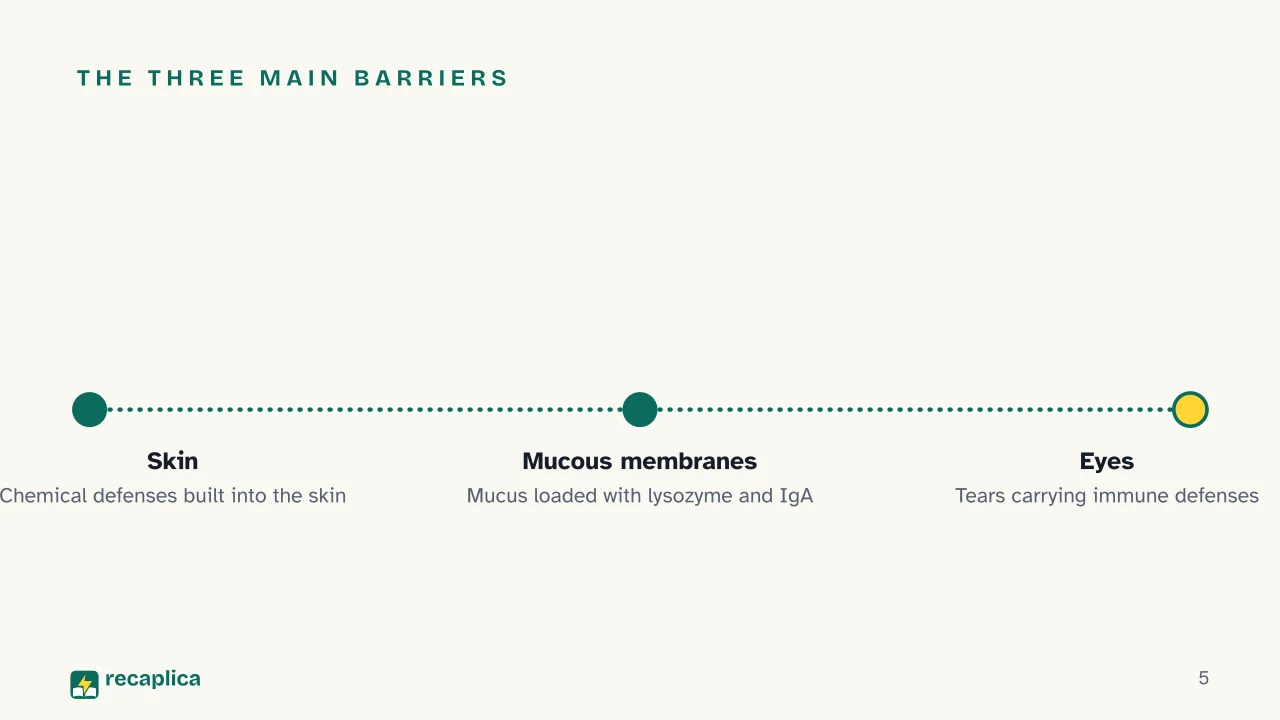  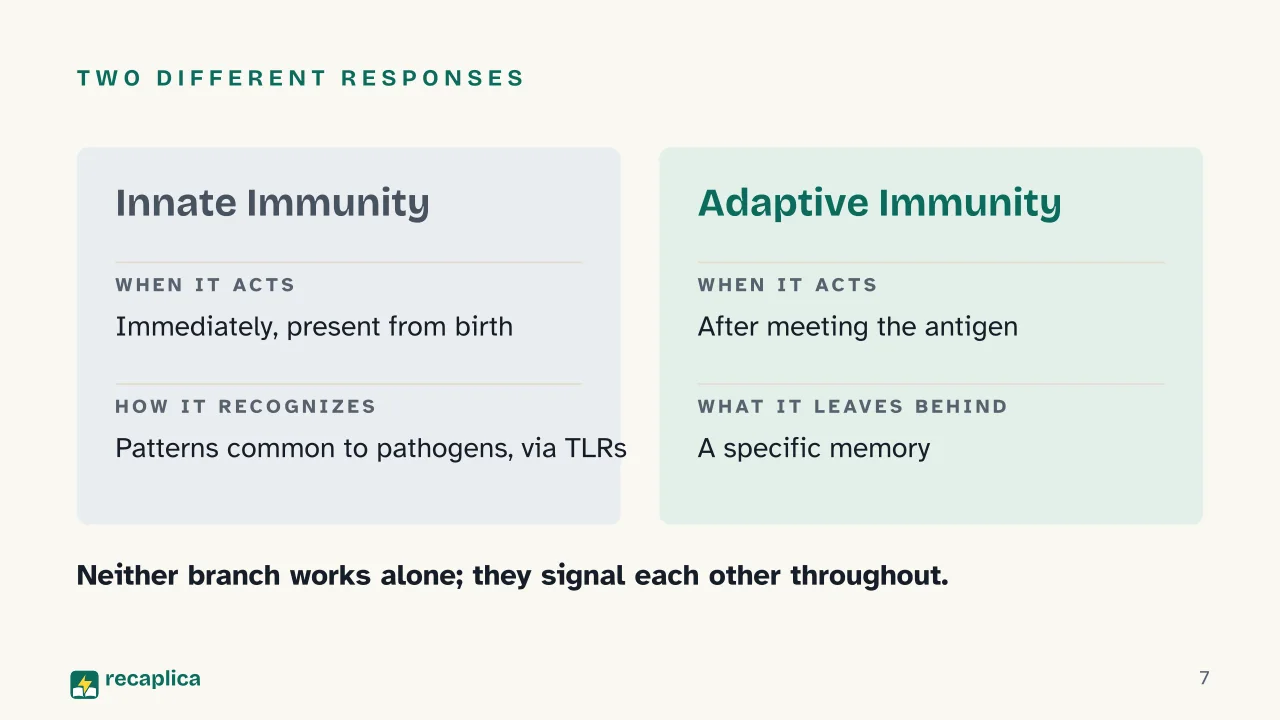  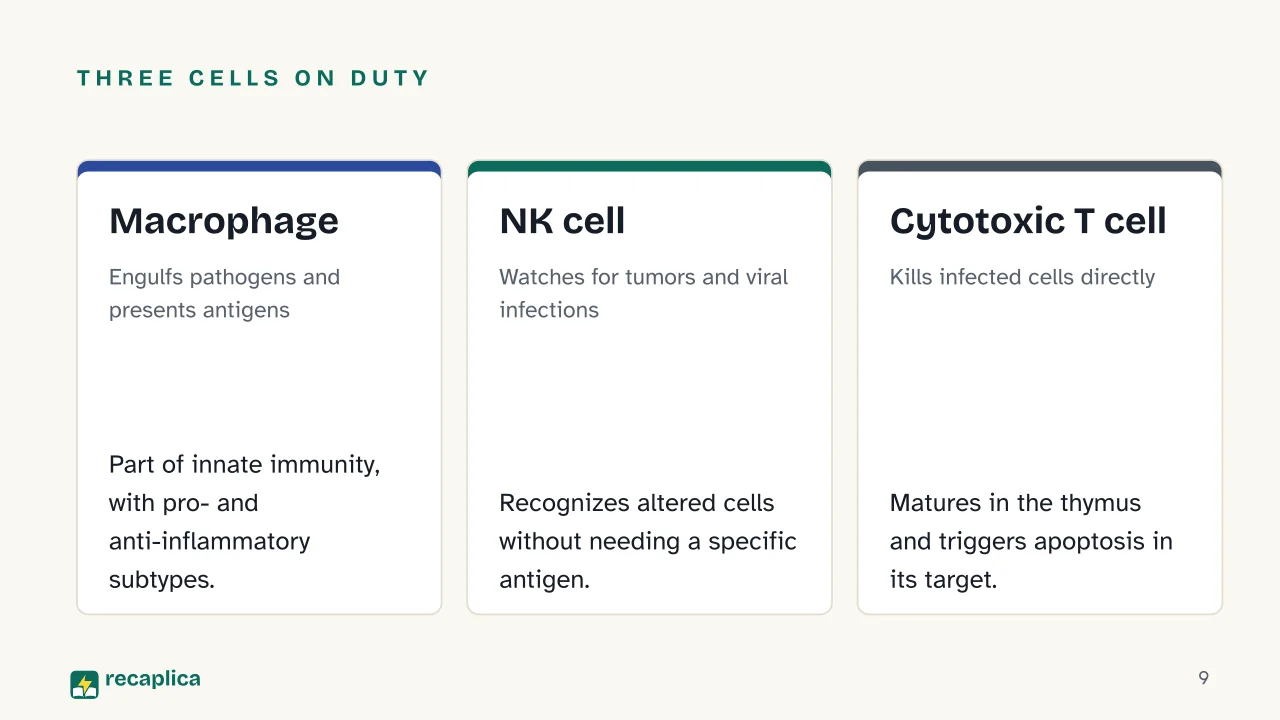 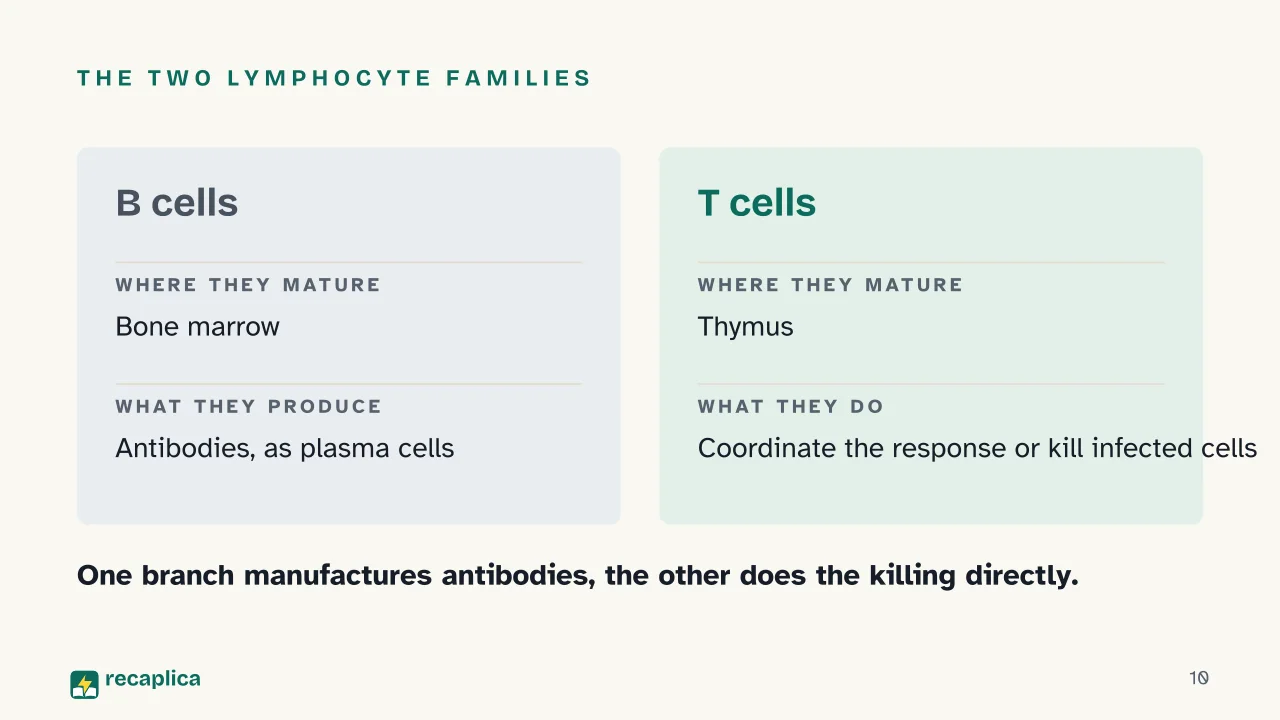  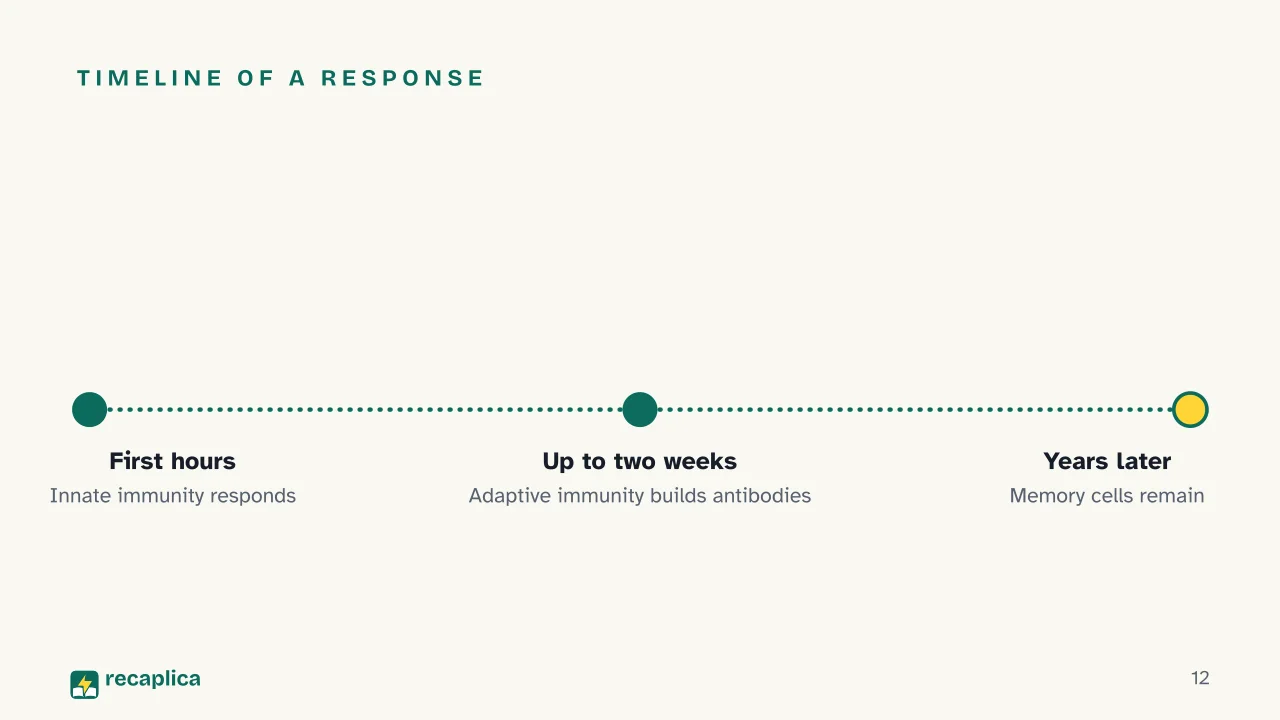 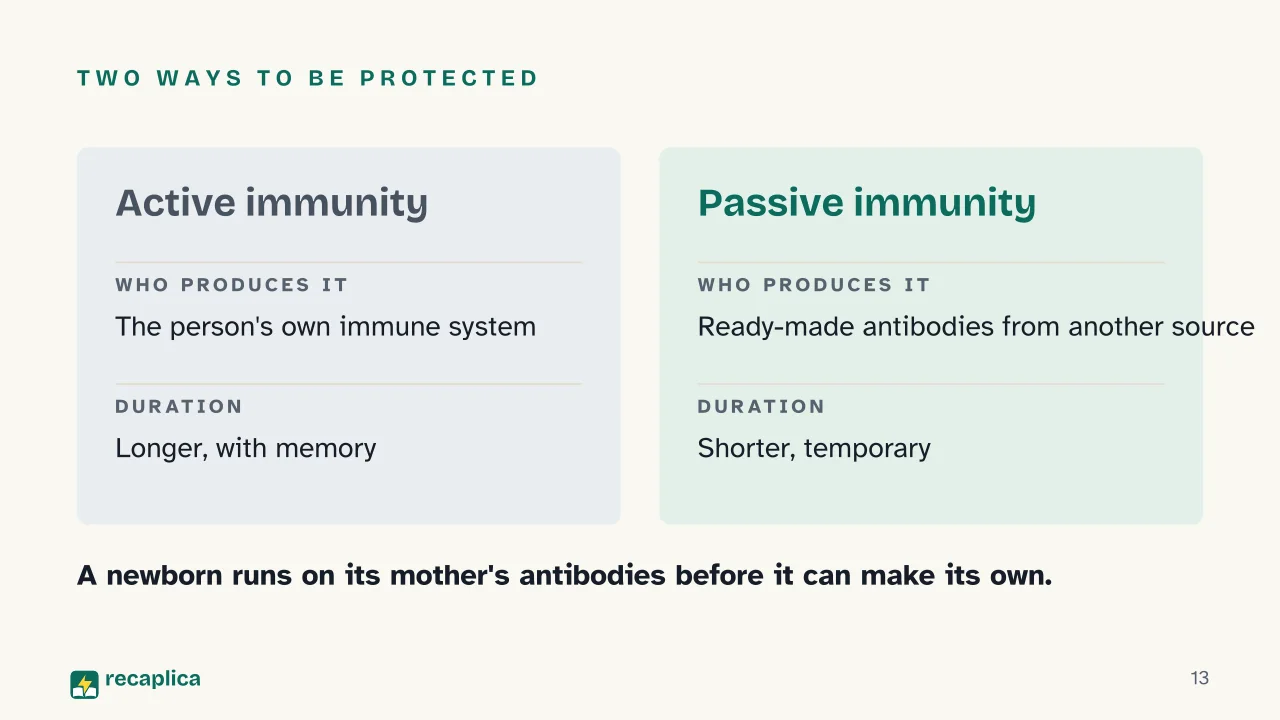 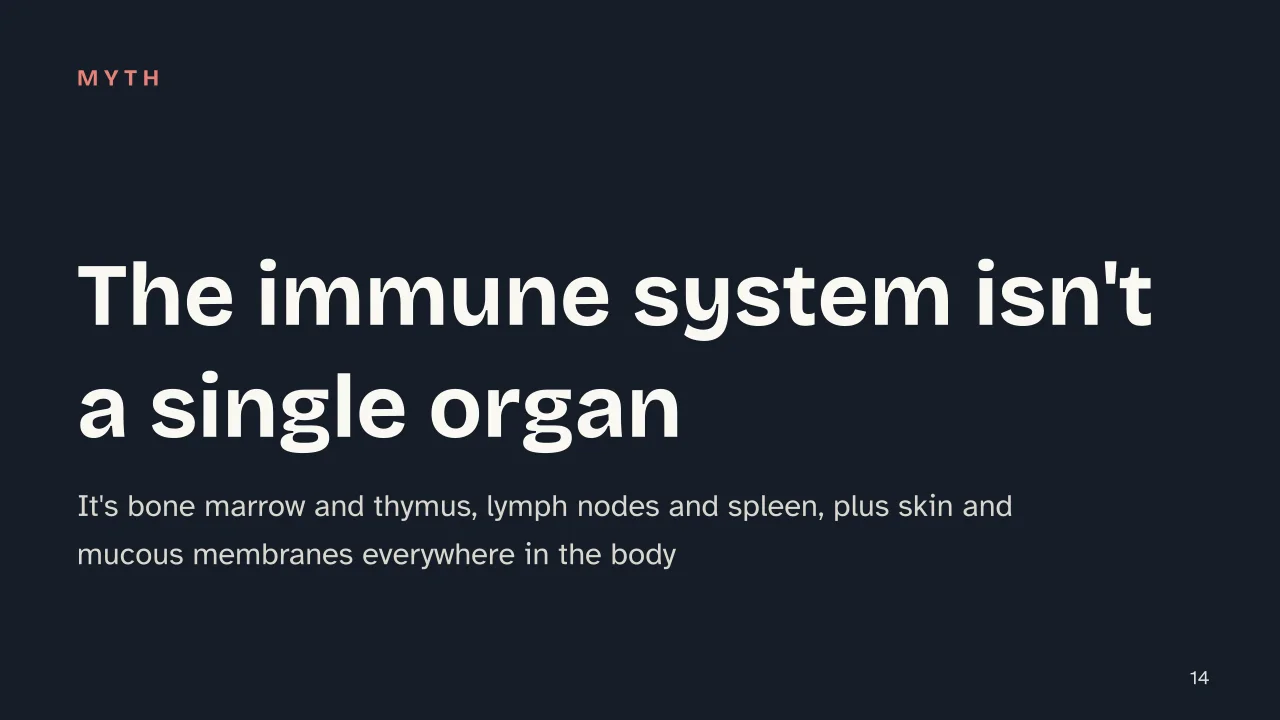 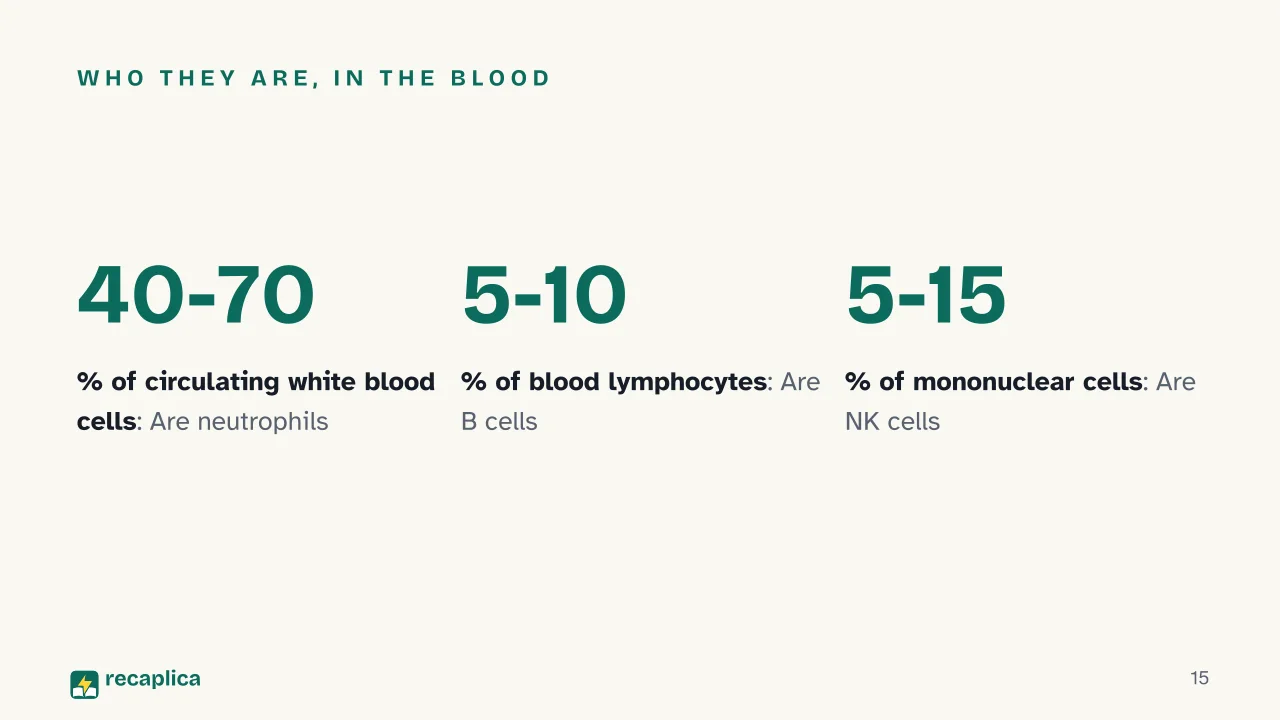 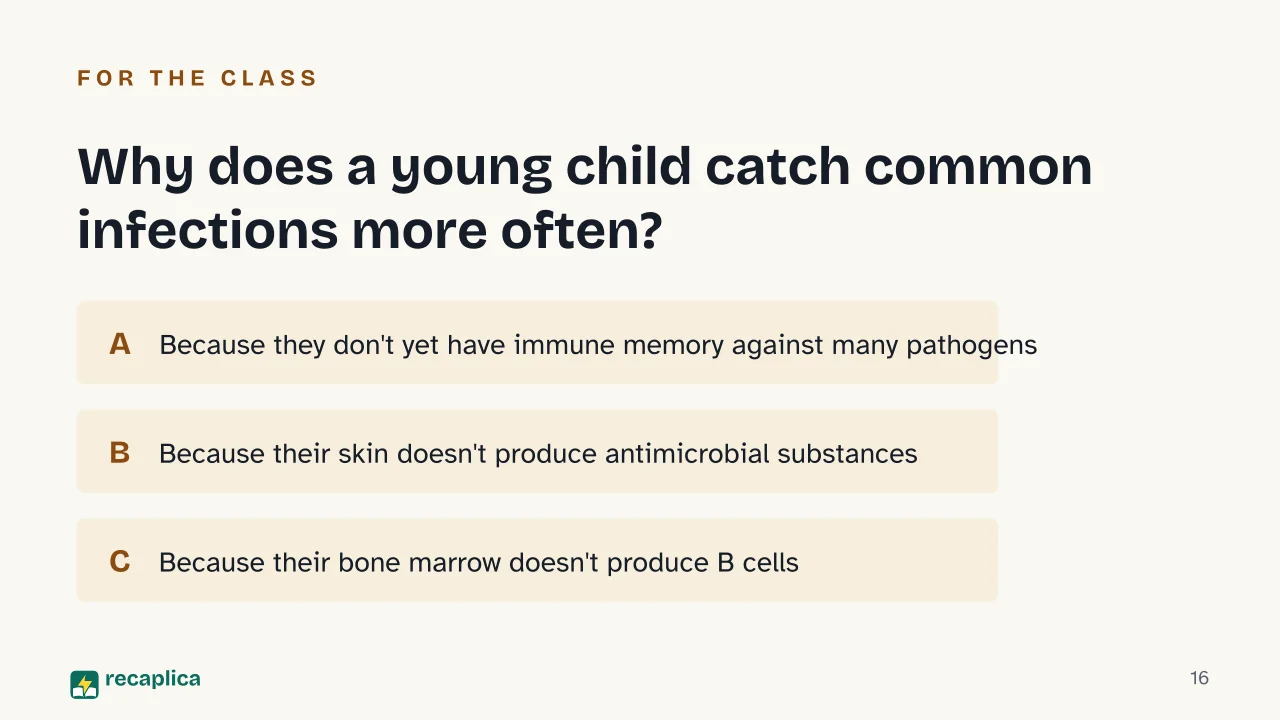  Common myths
Mind mapDrag the background to move around and the nodes to reposition them; use − and + to collapse and expand branches. 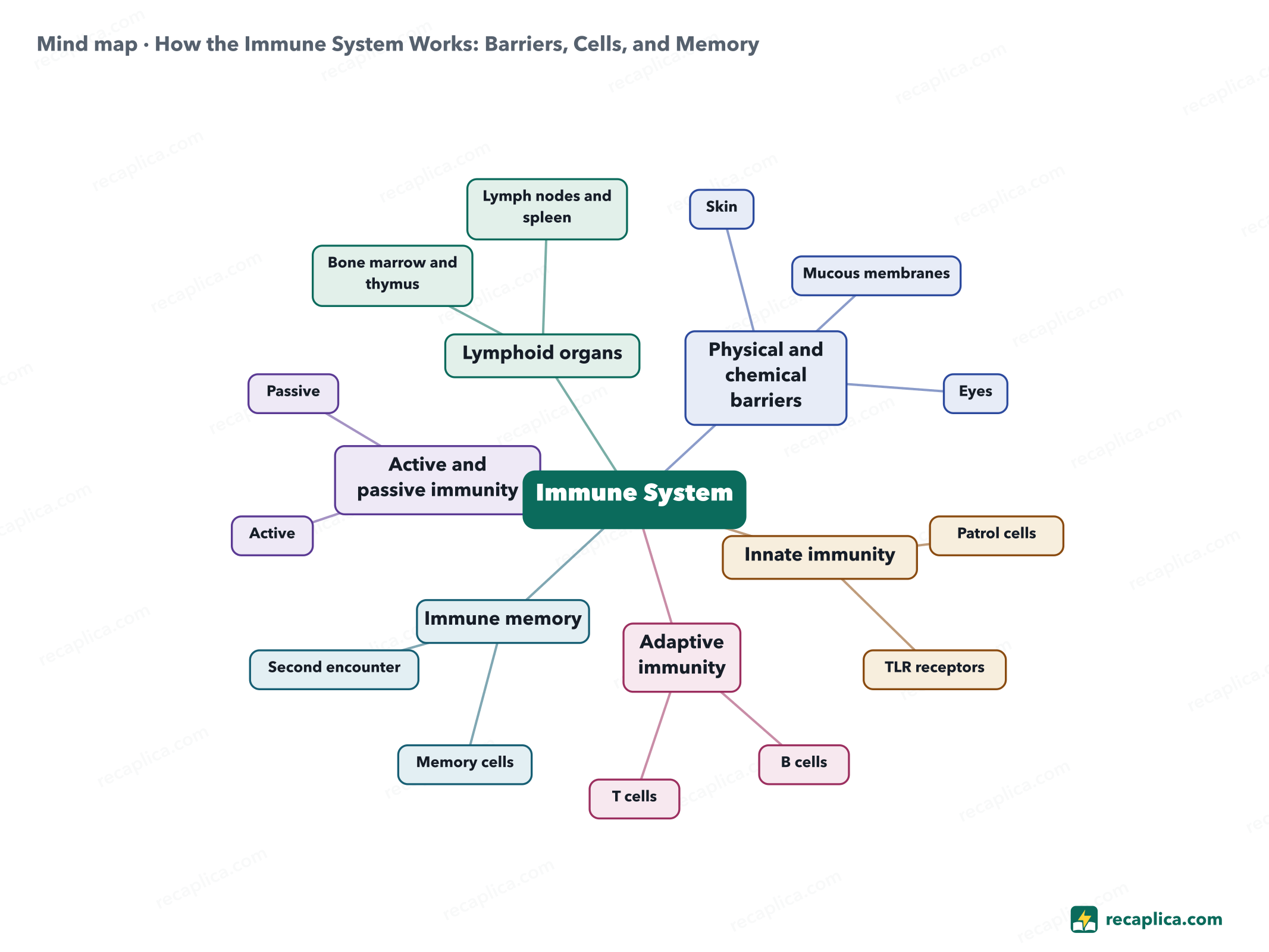
Quiz: test yourselfAnswer the questions to check what you have learned: you get instant feedback and a short explanation. Grade 0/10 0/5
FlashcardsTap the card to flip it and check whether you remember the answer, then move to the next one. 1 / 8 Explain it in your own wordsThe ultimate test: if you can explain it in simple words, you've truly understood it. Write your explanation, then compare it with the Recap. Your explanation is saved only on this device.
Frequently asked questionsWhat's the difference between the innate and adaptive immune system?The innate system is present from birth and reacts right away to generic signals shared by many pathogens. The adaptive system kicks in later, because it has to build a response aimed at that particular antigen, but it's more precise and leaves memory for future encounters. What are T cells and B cells?They're the two cell types of adaptive immunity. B cells mature in the bone marrow and become plasma cells that manufacture antibodies. T cells mature in the thymus: some coordinate the response (helper cells), others kill infected cells directly (cytotoxic cells). Why does the body stay protected longer after an illness?Because memory cells remain — T and B lymphocytes specific to that pathogen — ready to reactivate much faster on a new encounter, even after circulating antibodies in the blood have dropped. What's the difference between an antigen and an antibody?An antigen is the foreign molecule the immune system recognizes, such as a protein from a virus. An antibody is the protein made by plasma cells to bind specifically to that antigen. How can I tell if my immune system is working properly?This Recap describes how the immune system works in general, not how to assess any one person's case: any concern about your own immune defenses, including blood test results or symptoms, should go to a doctor or another healthcare professional. Every Recap goes through an independent review before publication. |