|
recaplica
Fentanyl in the NICU: How It's Used and What the Evidence Shows | |||||||||||||||
| © 2026 Recaplica · recaplica.com — All rights reserved | |||||||||||||||
Fentanyl in the NICU: How It's Used and What the Evidence ShowsWhat to print Page numbers appear when printing with default margins. SlidesChoose a cut Flash10 slidesThe essential thread, to present in classFull18 slidesEvery chapter and the deeper detailBoth come with speaker notes. In 30 seconds quick readFentanyl, sold in Italy under the brand name Fentanest, is a synthetic opioid used in neonatal intensive care units (NICUs) to ease pain and provide sedation for newborns on mechanical ventilation or undergoing invasive procedures. Guidelines from the Italian Society of Neonatology (SIN) and recommendations from the Italian Society of Anesthesia, Resuscitation and Pediatric Intensive Care (SARNePI) list it among the drugs available for neonatal pain management, always administered and adjusted by specialized medical and nursing staff based on validated pain scales. A 2026 review (Cavallaro et al.) confirms its clinical value but also flags open questions: the use is off-label, the evidence behind some applications is weak, and long-term neurological outcomes remain debated. This Recap explains what the drug is, why it's chosen in the NICU, and what the studies actually say, without any dosing information, which always stays a clinical decision made by the care team. Key Points
Key figures
Deep DiveWhat fentanyl is, and why it turns up in a NICUFentanyl is a synthetic opioid: a drug that acts on the same pain pathways as morphine but is made in a lab rather than extracted from opium. Recommendations published in 2012 by the Italian Society of Anesthesia, Resuscitation and Pediatric Intensive Care (SARNePI) group it with alfentanil, remifentanil, and sufentanil as synthetic opioids with a potency roughly 100 times that of morphine. Fentanyl is also far more lipid-soluble than morphine, which lets it cross cell membranes faster — the practical effect is a drug that kicks in sooner but wears off quicker too. In Italy, it’s sold under the brand name Fentanest and appears in the 2016 guidelines of the Italian Society of Neonatology (SIN, drafted by a working group led by Paola Lago) as one of the opioids available for managing procedural pain on the ward. In neonatal intensive care units (NICUs, sometimes still called UTIN in Italian hospitals), fentanyl is mainly chosen to sedate newborns connected to a mechanical ventilator: SARNePI identifies it as the most widely used opioid for continuous sedation in these cases, thanks to good cardiovascular stability and fewer side effects than other options, even though prolonged infusions lead to faster dependence than with morphine. The same recommendations give fentanyl a grade B rating for patients with cardiovascular instability, and for newborns specifically in cases of persistent pulmonary hypertension. Why the same name shows up in the newsMany people looking this drug up arrive by another route: fentanyl is also the name that appears in reporting on the opioid crisis. It is the same molecule. What differs is where it comes from and who decides the amount. Italy’s Istituto Superiore di Sanità describes fentanyl as a synthetic opioid with analgesic and narcotic properties, roughly a hundred times more potent than morphine, used in medicine for general anaesthesia in major surgery and in palliative care for terminal cancer pain, under medical supervision. The World Health Organization lists it among the medicines used to treat pain, alongside morphine and tramadol, and as an anaesthetic. In hospital fentanyl is an authorised medicine given under medical supervision, as the ISS notes, and in a neonatal intensive care unit the amount is titrated by specialist staff against the pain scales described further down. On the illegal market, again according to the ISS, fentanyl circulates instead as a cutting agent or a heroin substitute, made in illegal kitchen laboratories, and its analogues run to as much as a thousand times the potency of morphine. On the risk side the molecule is the same too: the ISS notes that fentanyl is around a hundred times more potent than morphine but also around a hundred times more toxic, because it binds far more strongly to the brain’s opioid receptors, and that it is this mechanism that makes reversing an overdose with naloxone “more difficult, almost impossible”. The WHO adds something that makes the risk harder to predict: its fact sheet says there is evidence that dealers may be adding fentanyl to other products, such as heroin, to increase their potency, and selling it as counterfeit tablets made to look like prescription medicines — which is why many of the people who test positive for fentanyl and its analogues do not realise they took it. Reporting often runs together two things that need to be kept apart: fentanyl is not the so-called “zombie drug”. The ISS explains that the label refers to heroin or fentanyl mixed with xylazine, a veterinary anaesthetic that causes severe skin ulcers, and that as of 2024 xylazine was very little used in Italy’s illicit market. In Italy fentanyl is watched by the national early warning system, which for substances that can cause severe poisoning or death sends a third-level alert to emergency departments, hospitals, police forces and the Health Ministry. On 12 March 2024 the Prime Minister’s office launched a national plan devoted to fentanyl; Perugia saw the first Italian case of a street preparation in which the substance was detected. How clinicians decide whether — and when — to use itPain in a newborn isn’t a minor detail handled by guesswork. Italian Law 38/2010 (Article 7) classifies it as a fifth vital sign, to be assessed and logged in the medical chart for every procedure considered painful, the same way heart rate or oxygen saturation would be. To put a number on pain that a newborn can’t describe in words, researchers have developed several behavioral and physiological scales: PIPP (Premature Infant Pain Profile), one of the most established with more than 60 published studies behind it and an updated version (PIPP-R) from 2013; DAN/APN, which requires no equipment; NIPS, also used with preterm infants; and EDIN, designed for the prolonged discomfort typical of newborns on respiratory support in the NICU, with a suggested intervention threshold above a score of 5. Despite being validated, SIN’s guidelines note that these scales aren’t consistently used in practice: the literature cited in the document reports that only 11 to 35% of clinicians use pain assessment tools systematically. That gap is worth sitting with — the recommendations have existed for years, but how they’re applied on the ward varies widely. When an assessment indicates pain that needs pharmacological treatment and non-drug techniques aren’t enough, fentanyl is given as an infusion or bolus, always titrated by clinical staff based on the score from the chosen scale and the individual newborn’s condition. There’s no fixed amount that applies to everyone — that call belongs entirely to the medical and nursing team. Fentanyl next to other opioidsFentanyl isn’t the only opioid available in the NICU. A review by Cavallaro and colleagues, published in Frontiers in Pediatrics in March 2026, lays out how it compares with the other drugs in its class used in newborns.
Cavallaro and colleagues describe fentanyl as a valuable opioid in the NICU precisely because of its fast onset, high lipid solubility, and minimal histamine release, plus more predictable pain control over time than morphine when dosing is tailored to the individual patient. The same authors, though, cite the multicenter European EUROPAIN study to flag a broader problem: in many NICUs, opioids and sedatives are used fairly often without an adequate pain assessment behind the decision. Known risksThe most frequently cited risk for fentanyl in newborns is chest-wall rigidity. SARNePI describes it as a significant side effect that shows up mainly after rapid infusion, alongside laryngospasm. Cavallaro et al.’s 2026 review describes this dose- and rate-dependent rigidity as the main risk associated with remifentanil, also present with fentanyl at high doses or rapid infusion — a stiffening of the breathing muscles that, like any other muscle in the body, responds to nerve and drug signals and can interfere with the mechanics of breathing. Like all opioids at equivalent analgesic doses, fentanyl also carries class-wide side effects: respiratory depression (from chest-wall rigidity, suppression of the brain’s respiratory drive, or a drop in breathing rate and volume), suppressed cough reflex, nausea, pupil constriction, itching, low blood pressure, slowed gut motility, and urinary retention. SARNePI notes these effects are generally manageable with supportive medications — anti-nausea drugs, antihistamines, laxatives — or, for more pronounced respiratory depression, naloxone. Those interventions, too, remain clinical decisions made by the care team. What Cavallaro et al.’s 2026 review saysA drug being effective against acute pain doesn’t automatically settle the scientific debate around its use in newborns. Cavallaro et al.’s 2026 review is candid about one sensitive point: long-term neurodevelopmental outcomes remain inconsistent across studies. Some observational research has linked opioid exposure to lower developmental scores or impaired eye-hand coordination at 24 months, but the more rigorous systematic reviews find very low-certainty evidence, with effects that vary from study to study and heavy confounding from the severity of the underlying illness — it’s genuinely hard to separate the drug’s effect from the effect of the condition that required it in the first place. A second point concerns indiscriminate use: the same review reports that routine opioid administration, when it isn’t guided by a case-by-case pain assessment, doesn’t shorten mechanical ventilation or reduce mortality. That’s an argument for selective use, anchored to the assessment scales described above, rather than blanket administration. Meanwhile, the underlying problem is still one of scale: Cavallaro and colleagues report that a newborn in the NICU faces an average of 7 to 17 painful procedures a day, often without adequate pain relief to cover them. Understanding pain in an organism that can’t yet put it into words remains one of the hardest areas of research into how our bodies and minds respond to outside stimuli. A case study: fentanyl given through the noseTo see how clinical research actually works on questions like this, it helps to look at one specific study.
The case is useful precisely because of its caution: a study of 13 patients can’t support firm conclusions, but it shows how research moves forward one verifiable step at a time, with numbers stated plainly and limitations acknowledged openly by the authors themselves. An off-label drug, like many others in pediatricsOne detail that often causes unnecessary worry, if left unexplained, is fentanyl’s regulatory status for young children. In its table of opioid analgesics, SARNePI flags fentanyl as “not licensed for use under 2 years” as of June 2000, which makes its use in a newborn off-label relative to the Italian drug label. That doesn’t mean the use is experimental or lacks a scientific basis: it means the drug’s official authorization simply doesn’t cover that age group, often because registration trials specifically involving newborns and young children are missing. SARNePI itself describes pediatric patients as “therapeutic orphans” for this reason, pointing out that many pediatric analgesics — not just fentanyl — share the same situation. A parallel example cited by SIN is the local anesthetic cream EMLA, authorized in Italy only for full-term newborns and used off-label in preterm infants despite studies showing it’s effective and safe. Because of this status, SARNePI’s recommendations require that using an off-label drug involve a therapeutic decision by the physician and the parents’ written informed consent, in line with legal requirements — a step meant not to block access to treatment, but to make sure the family is informed about the drug’s regulatory status. It’s a transparency mechanism that applies to fentanyl and to many other pediatric drugs alike. Slide deckSlides ready to download and make your own in PowerPoint or Google Slides, with speaker notes. Pick the Flash cut or the Full one.     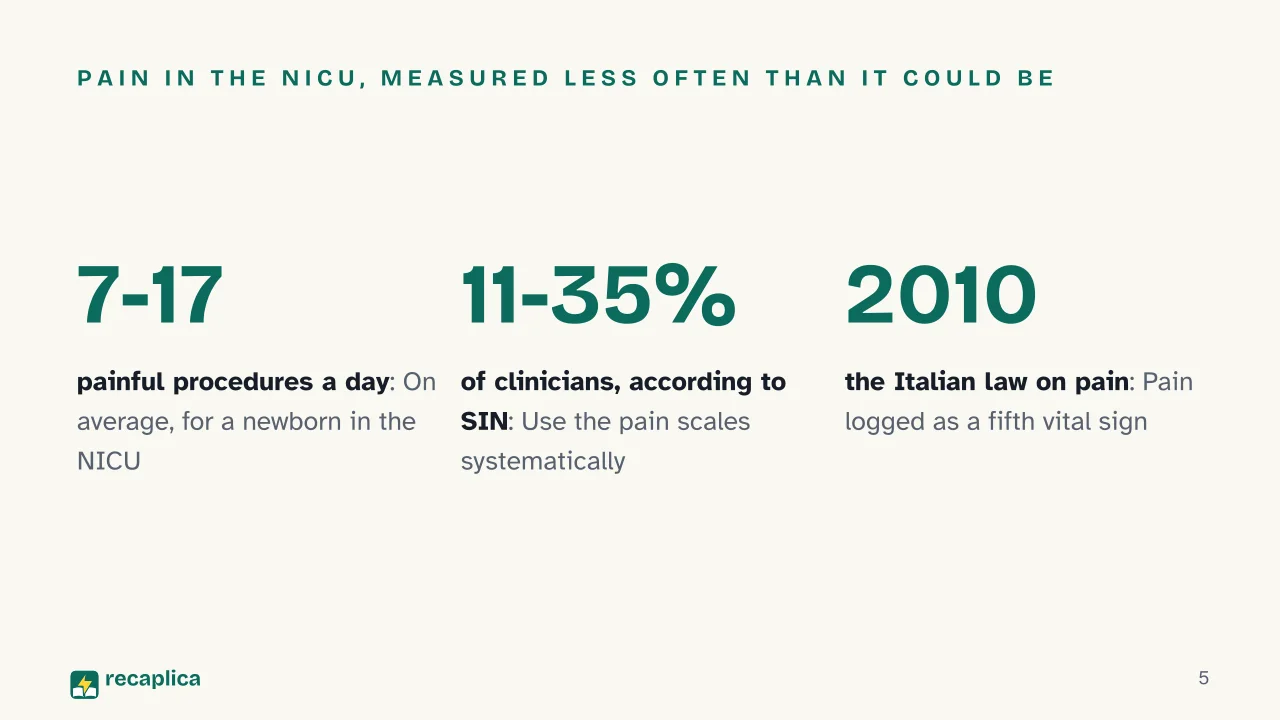 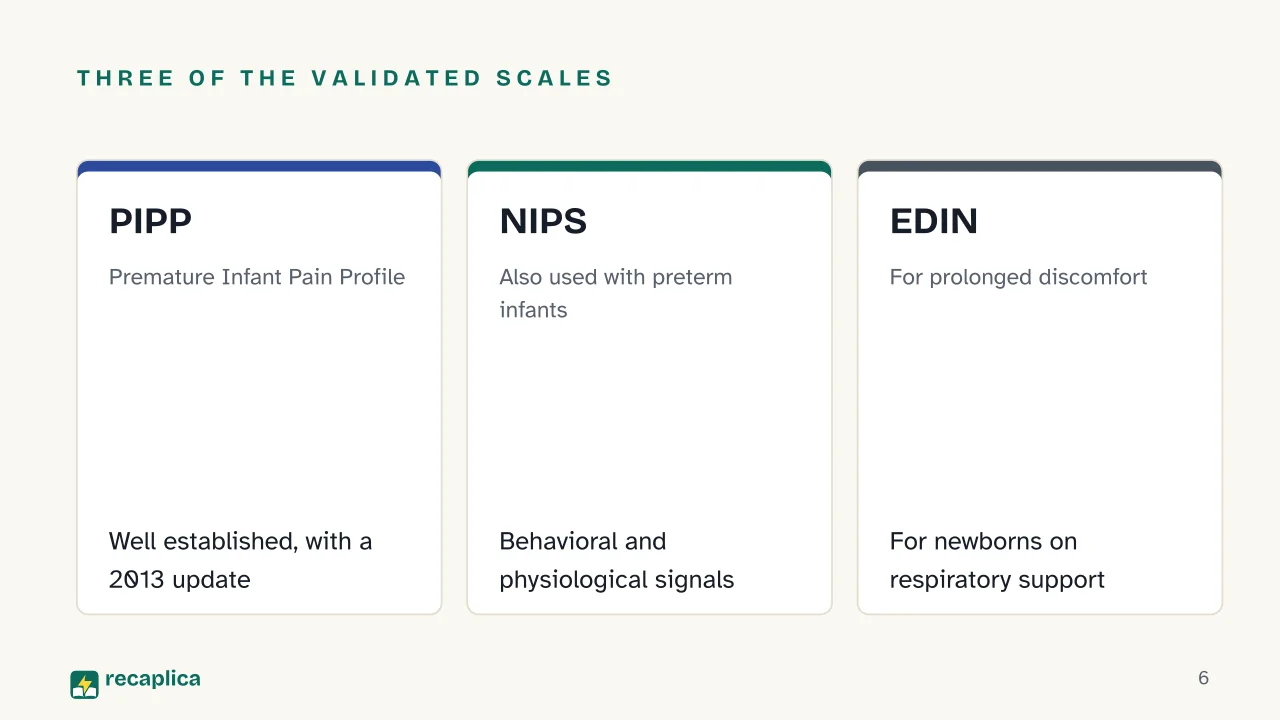  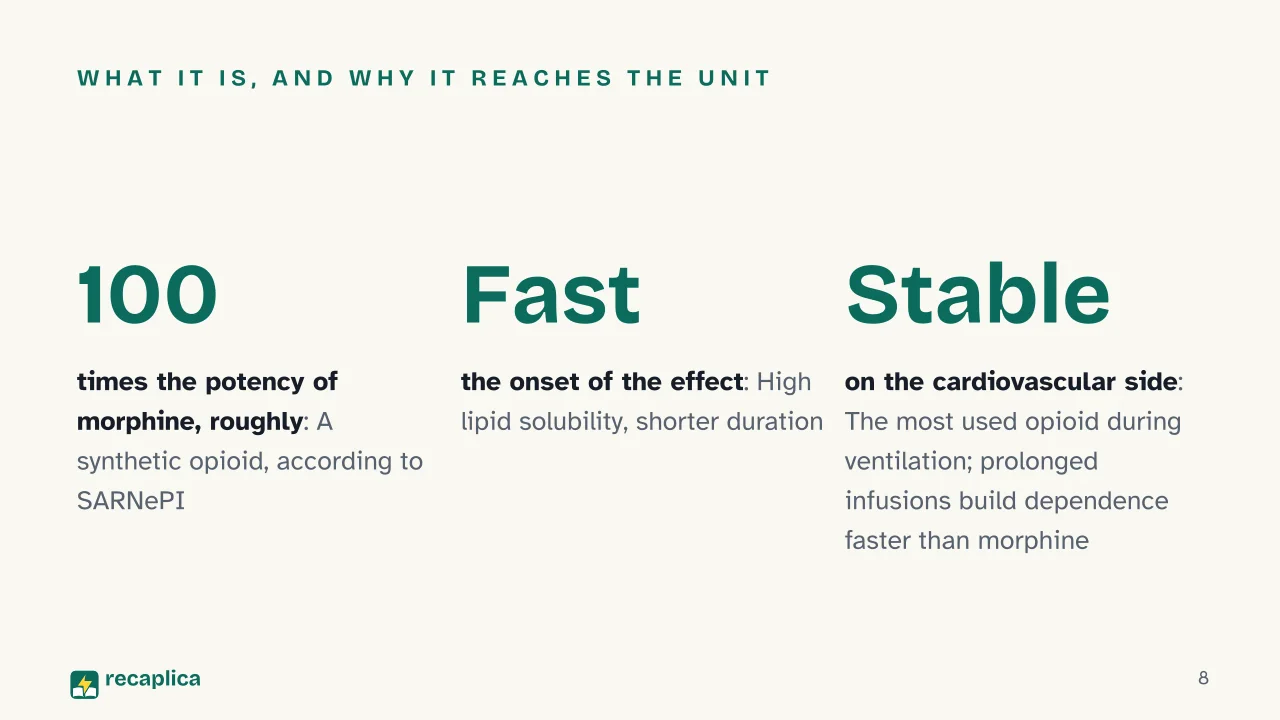 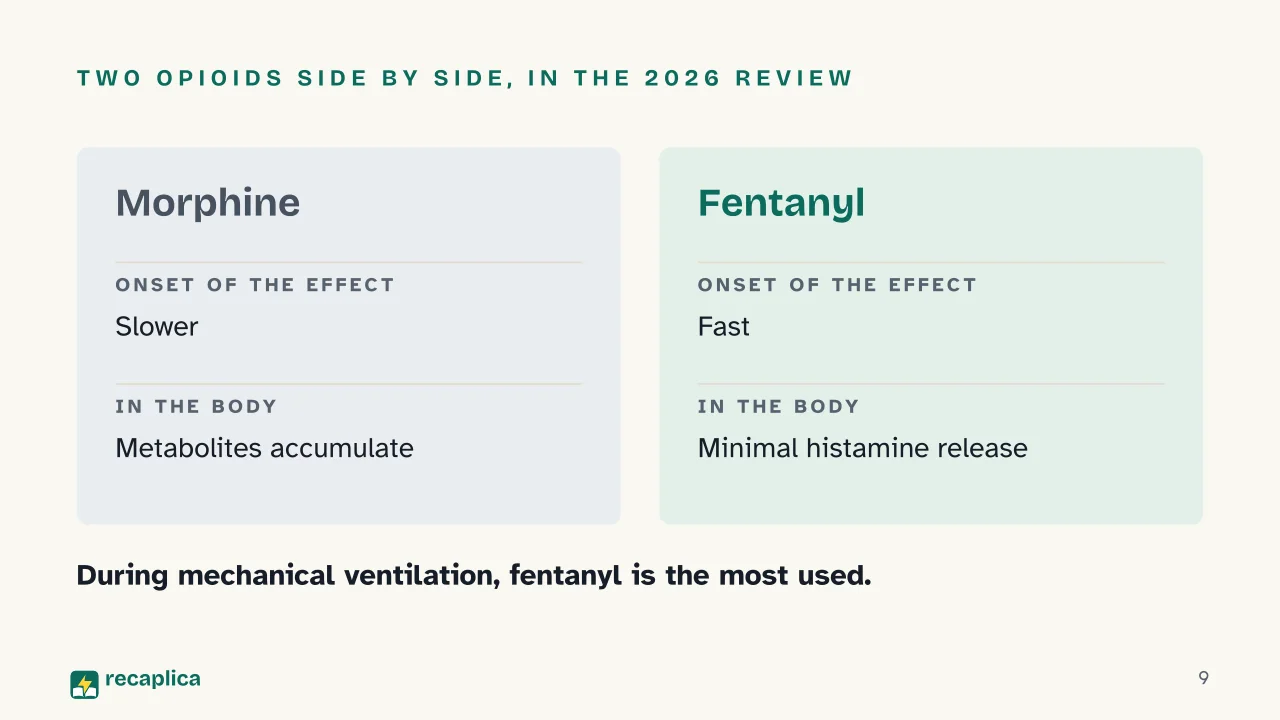 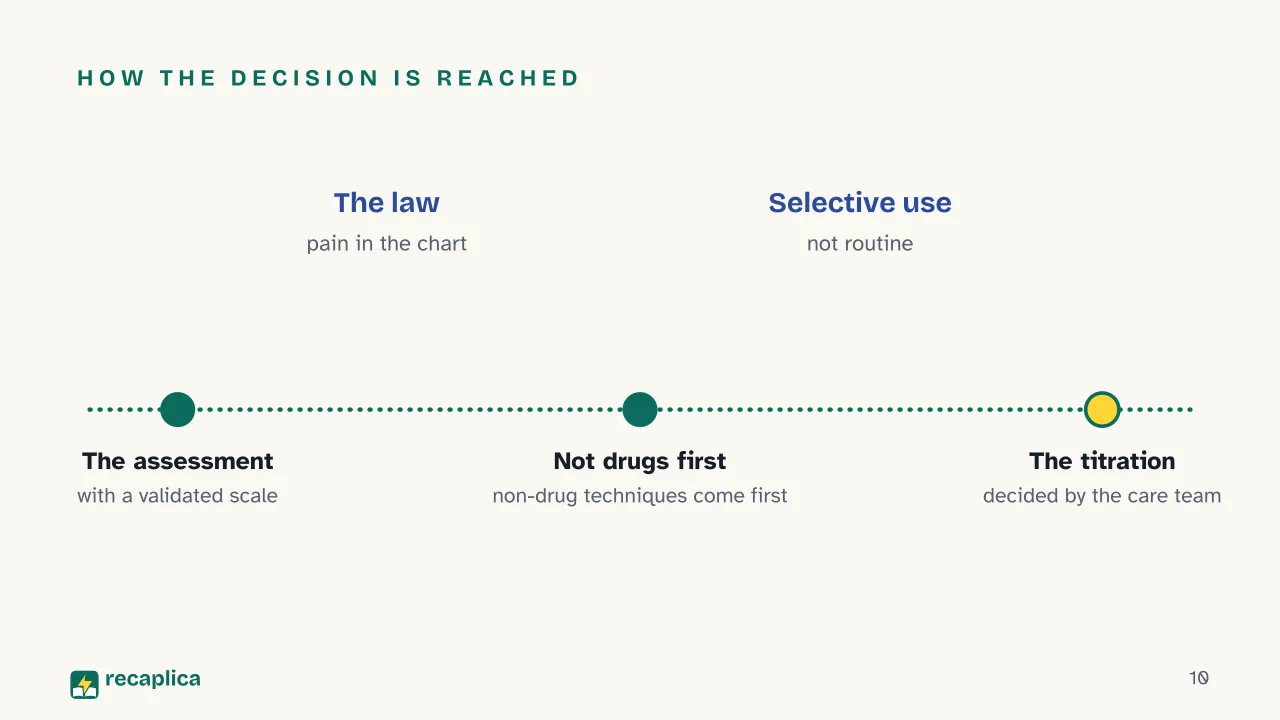  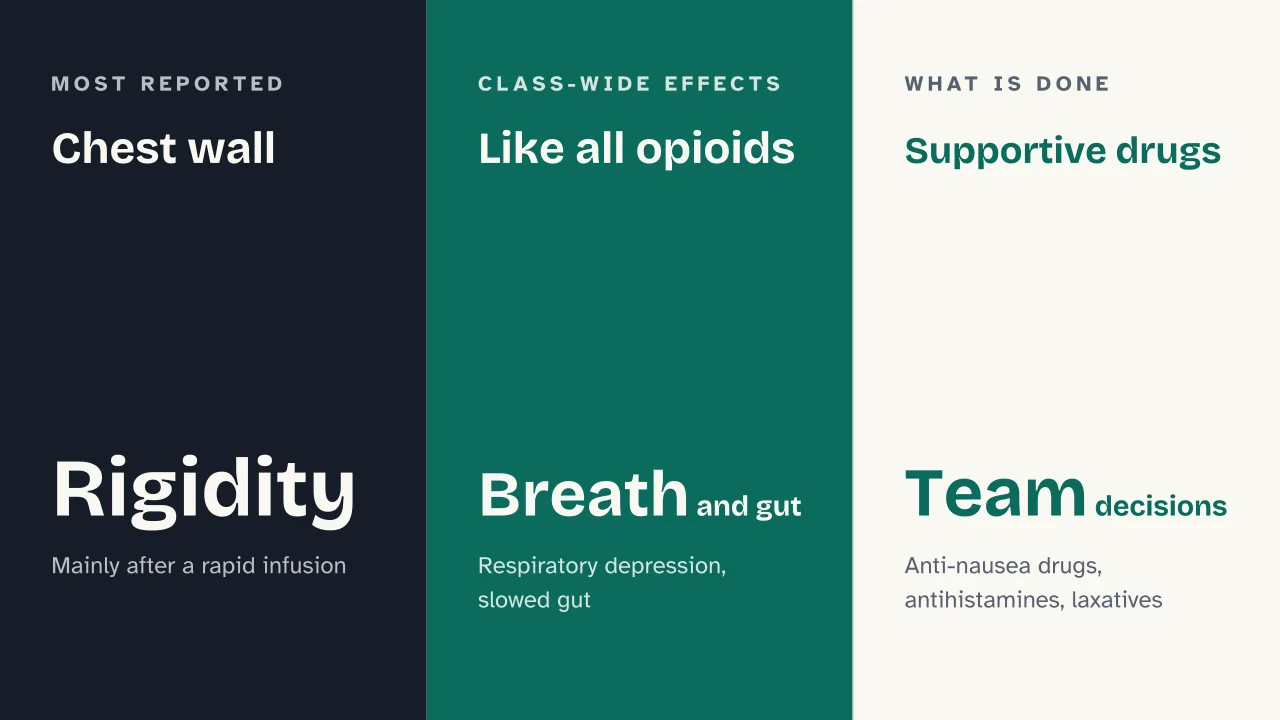  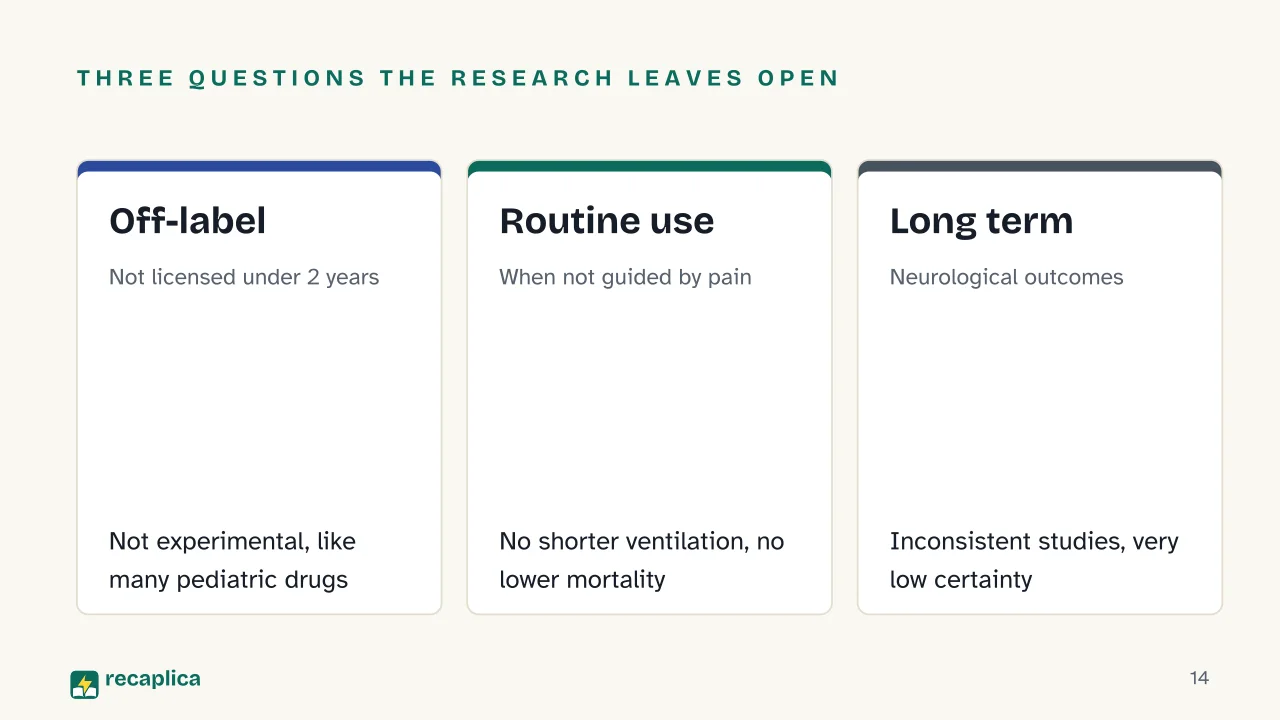 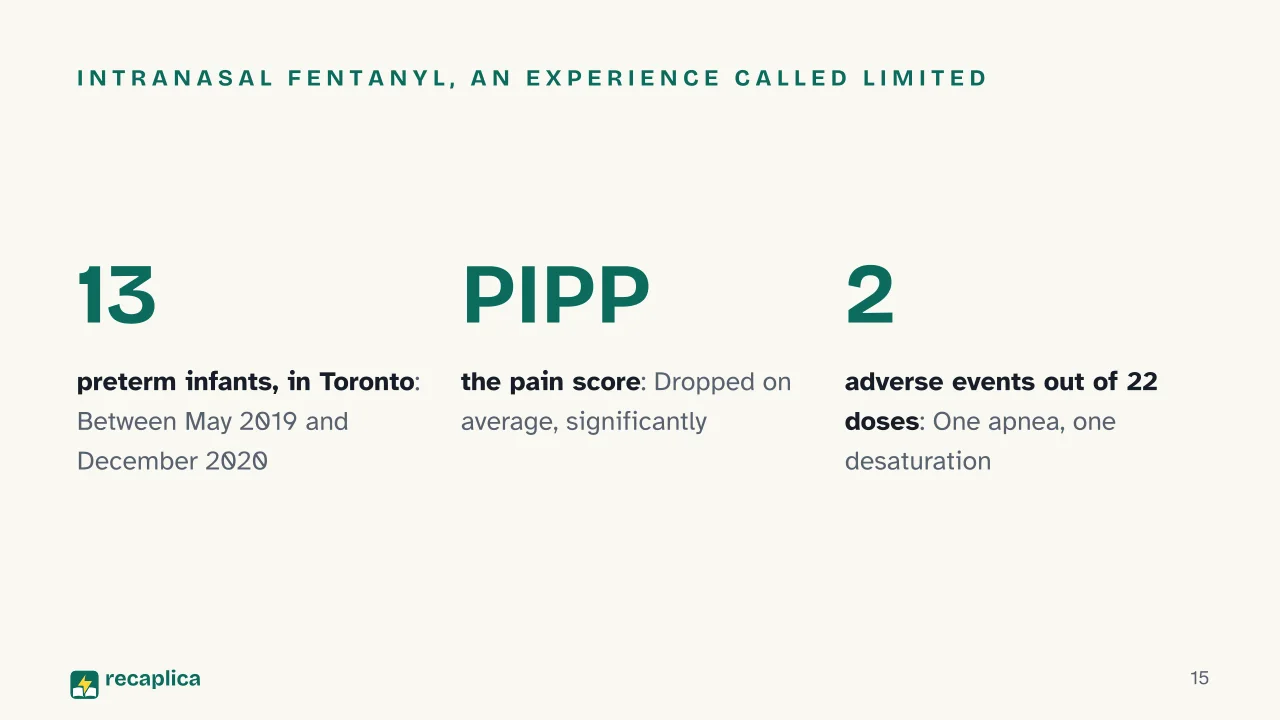 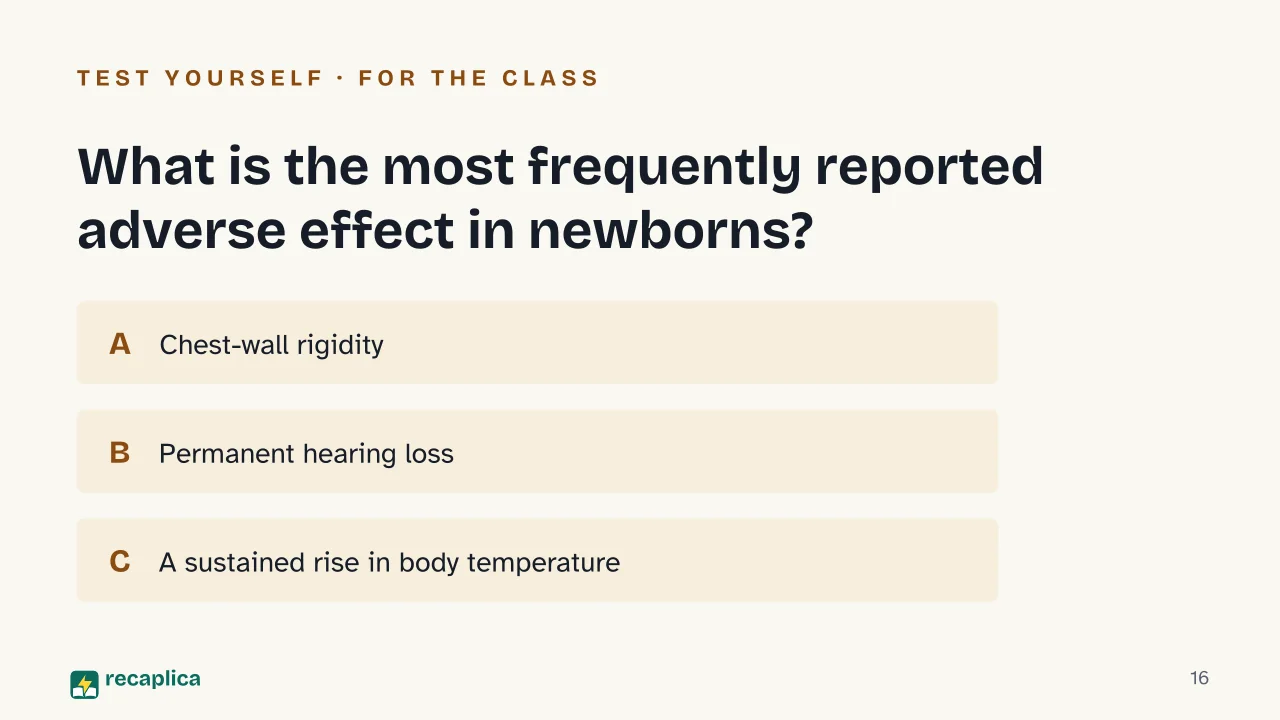 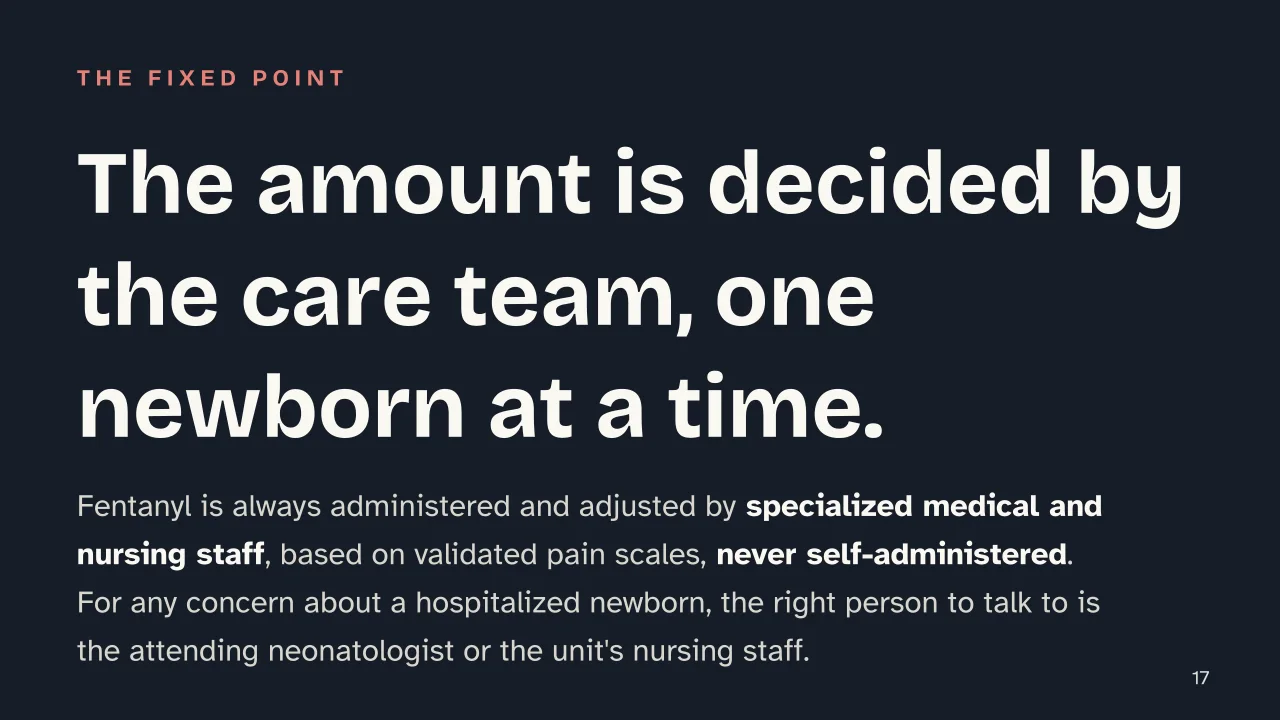  Common myths
Mind mapDrag the background to move around and the nodes to reposition them; use − and + to collapse and expand branches. 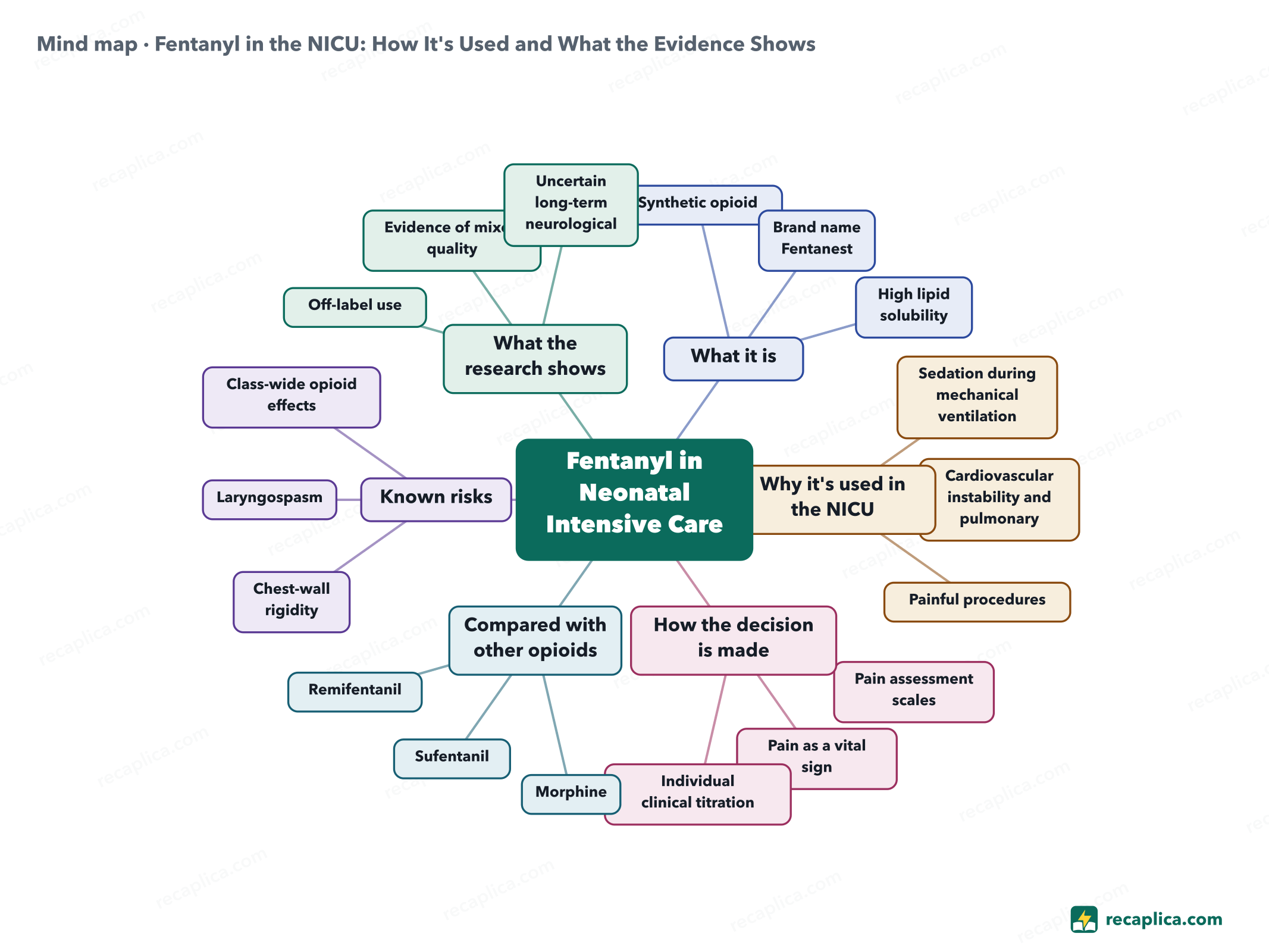
Quiz: test yourselfAnswer the questions to check what you have learned: you get instant feedback and a short explanation. Grade 0/10 0/5
FlashcardsTap the card to flip it and check whether you remember the answer, then move to the next one. 1 / 8 Explain it in your own wordsThe ultimate test: if you can explain it in simple words, you've truly understood it. Write your explanation, then compare it with the Recap. Your explanation is saved only on this device.
Frequently asked questionsWhat is Fentanest, and why does it come up in neonatal intensive care?Fentanest is the Italian brand name for fentanyl, a synthetic opioid used in neonatal intensive care to ease pain and provide sedation, particularly for newborns on mechanical ventilation or undergoing invasive procedures. Guidelines from SIN and recommendations from SARNePI list it among the drugs available for neonatal pain management. Is fentanyl safe for newborns?The scientific literature describes it as a useful drug in the NICU for pain control and cardiovascular stability, but not risk-free: the most frequently reported adverse effect is chest-wall rigidity, linked to dose and infusion speed, while long-term neurological outcomes remain an area of uncertain evidence according to Cavallaro et al.'s 2026 review. That's why the drug is always administered and adjusted by specialized medical and nursing staff, never self-administered. Why is fentanyl considered an off-label drug in newborns?Because SARNePI notes that the Italian drug label flags it as unlicensed for children under 2 since June 2000. This is common across many pediatric analgesics: SARNePI describes pediatric patients as 'therapeutic orphans' for this reason, since few drugs have dedicated registration trials for young children, even when published efficacy data exists. How do doctors know if a newborn is in pain?Through validated assessment tools such as PIPP (Premature Infant Pain Profile), NIPS, DAN/APN, or EDIN, which translate behavioral and physiological signals — facial expression, crying, heart rate, oxygen saturation — into a score. Italian Law 38/2010 requires pain to be recorded as a fifth vital sign, though SIN notes that systematic use of these scales still applies to only a minority of clinicians. What should someone do if they have concerns about a hospitalized newborn's pain management?This Recap is for general information and describes what scientific research shows overall; it does not replace the judgment of the neonatology team handling a specific case. For any concern about pain management, sedation, or the clinical condition of a hospitalized newborn, the right person to talk to is always the attending neonatologist or the unit's nursing staff. Every Recap goes through an independent review before publication. |