recaplica
Clear in 30 seconds, yours in 10 minutes.
In 30 seconds quick read
In Italy, some university degree programs are open to anyone who enrolls; others require passing an entrance exam first. Law 264/1999 sets up two separate tracks: national controlled access, where Italy's Ministry of University and Research (MUR) sets a single exam that's the same at every university, and local controlled access, where each university decides on its own whether to run a test, what it covers, and when. The most common tool for local exams is the TOLC, run by the CISIA consortium, though it isn't the only model in use. This Recap explains the general framework of Italy's entrance exam rules, not the specific test for any one degree program.
Key Points
Law 264/1999 splits Italy's controlled access into two tracks: national (Article 1) and local (Article 2) — same name, different mechanics.
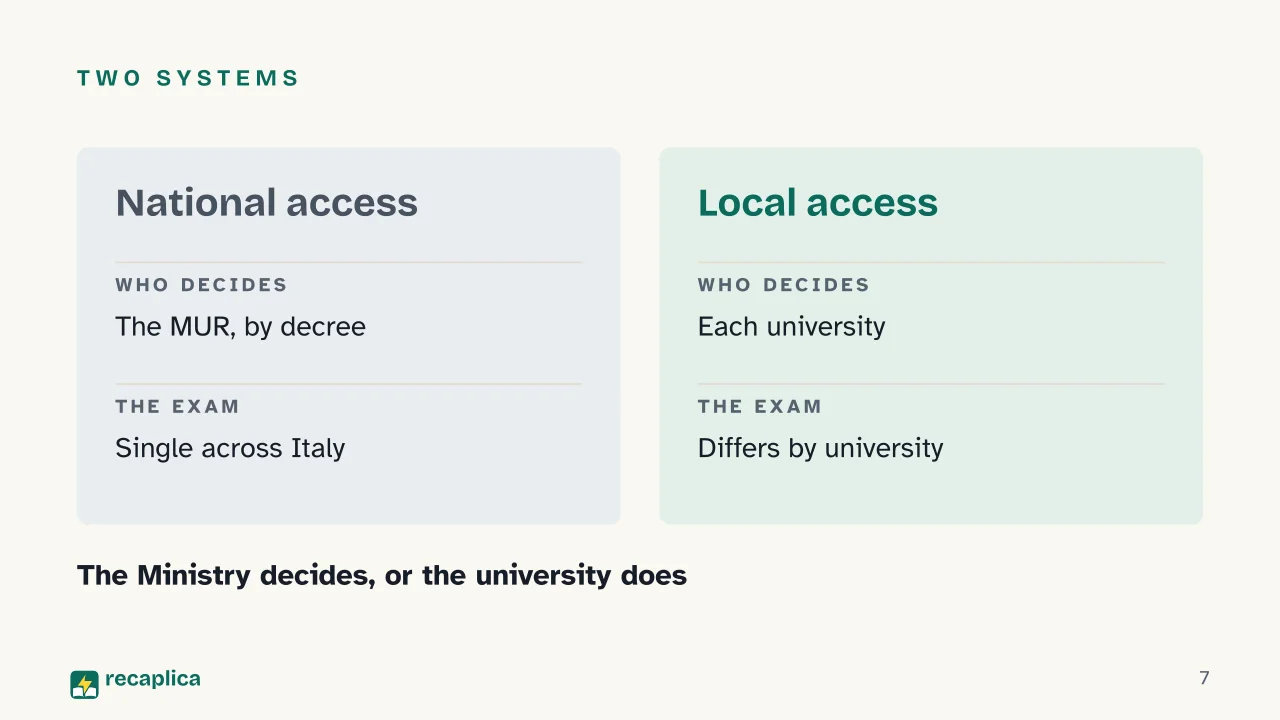
At the national level, the MUR sets the number of places and the exam format each year by decree; the test is identical across Italy.
At the local level, each university decides for itself: the same degree program can require an entrance exam at one university and stay open enrollment at another.
CISIA's TOLC is the most widely used test for local access, with 10 subject-area versions and a scoring system that penalizes wrong answers.
Starting with the 2025/2026 academic year, Medicine, Dentistry, and Veterinary Medicine (Italian-language tracks) replaced the traditional entrance exam with the semestre aperto, the open semester.
Registration for national entrance exams goes through the Universitaly portal, typically in summer; exact dates change every year and should be checked directly.
Key figures
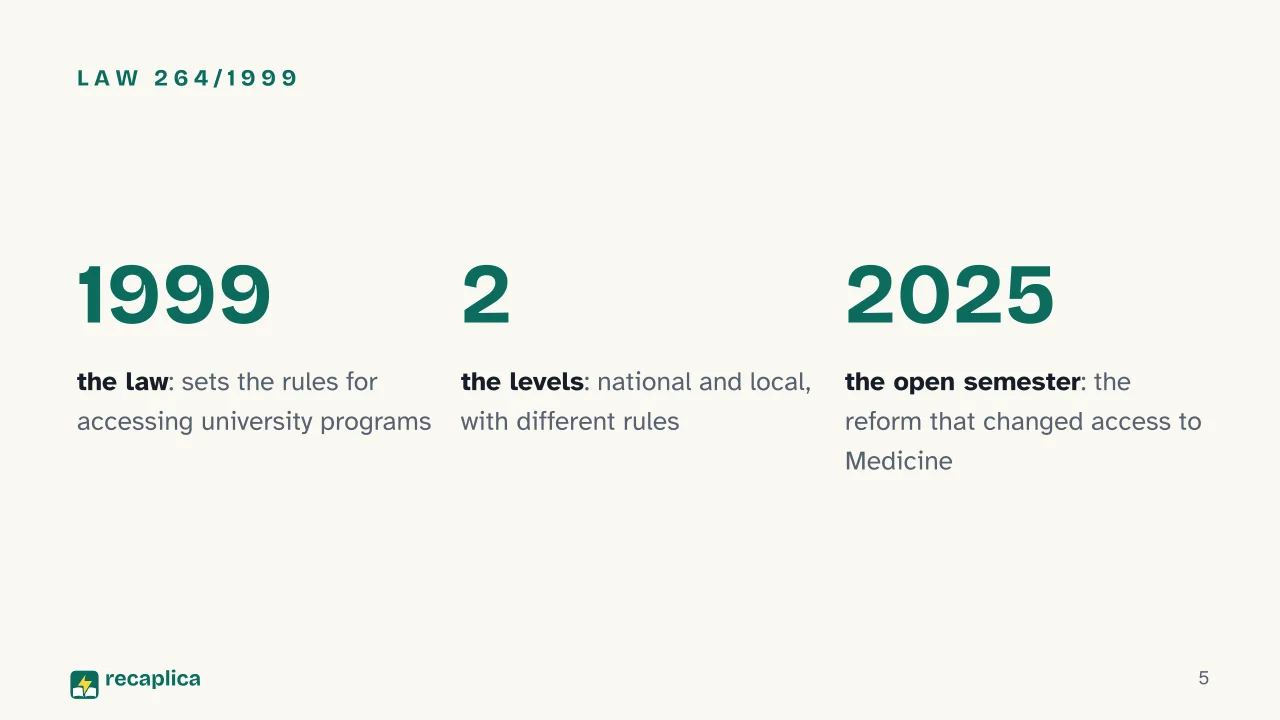
1999 Year of Law 264, "Norme in materia di accessi ai corsi universitari," which introduced the distinction between national and local controlled access still shaping the system in 2026. Source: Ministero dell'Università e della Ricerca (MUR)
2025 Year in which Law 26/2025 and its implementing decree replaced the traditional entrance exam for Medicine, Dentistry, and Veterinary Medicine (Italian-language tracks) with the open semester. Source: Ministero dell'Università e della Ricerca (MUR)
Deep Dive
Not every degree program in Italy is chosen the same way. Some are open enrollment: you sign up, and that’s it. Others are capped, and getting in means passing an exam first. The legal framework behind that second group is called controlled access (accesso programmato), and it comes from Law No. 264 of August 2, 1999, “Norme in materia di accessi ai corsi universitari.”
Two levels, not one
Law 264/1999 doesn’t describe a single system. Article 1 covers national controlled access: a fixed list of programs for which Italy’s Ministry of University and Research sets, every year by decree, the number of places and the exam format, identical at every university that offers them. That list includes Medicine and Surgery, Dentistry and Dental Prosthetics, Veterinary Medicine, the health professions, Primary Teacher Education, and Architecture.
Article 2 covers local controlled access instead: here, each individual university, fully autonomously, decides whether to set up an exam for a program not included in the national list, what it covers, and when. The practical result is that the same degree program can be capped at one university and open enrollment at another — there’s no national rule that applies to every “non-listed” program.
Article 3 of the law sets the criteria for distributing national-list places among universities, based on the professional needs of the broader economy and society and on the capacity each university reports. Article 4 sets how the exam itself works: admission requires passing a general-knowledge test based on high-school curricula, and it gives the Minister the job of setting the format and content of those tests by decree. Anyone curious about how a mechanism like this works — an ordinary law that delegates operational details to the government through a decree — will find a broader explanation on what a legal norm is and how it differs from other kinds of rules.
Practical example: an applicant deciding between Medicine, Dentistry, and Engineering is dealing with two different worlds. For Medicine and Dentistry in Italian, they take part in a single admission mechanism, defined by the MUR for the whole country. For Engineering, a program that’s almost always locally programmed, they have to check university by university whether a test is required, which one, and by what deadline: two universities in the same city can ask for different exams for the same degree.
The system has changed, and it can change again
The framework above isn’t set in stone. Starting with the 2025/2026 academic year, for Medicine and Surgery, Dentistry and Dental Prosthetics, and Veterinary Medicine in Italian, the traditional multiple-choice entrance exam was replaced by the open semester (semestre aperto), introduced by Law No. 26 of March 14, 2025, and its implementing decree, Legislative Decree No. 71/2025. It’s the first time a national entrance exam has been swapped out for a different mechanism entirely, and it’s a useful signal for anyone preparing: access rules aren’t fixed forever, and they need to be checked for the specific academic year that matters, not assumed from what’s floating around online. The Recap on the Medicine entrance exam walks through the shift from the old exam to the open semester in detail.
The TOLC, the most common tool
For local entrance exams, and as an orientation tool even for open-enrollment programs, many Italian universities use the TOLC (Test OnLine), created by the CISIA interuniversity consortium. It isn’t the only test model in Italy — some universities or programs run their own exams — but it covers the largest number of cases.
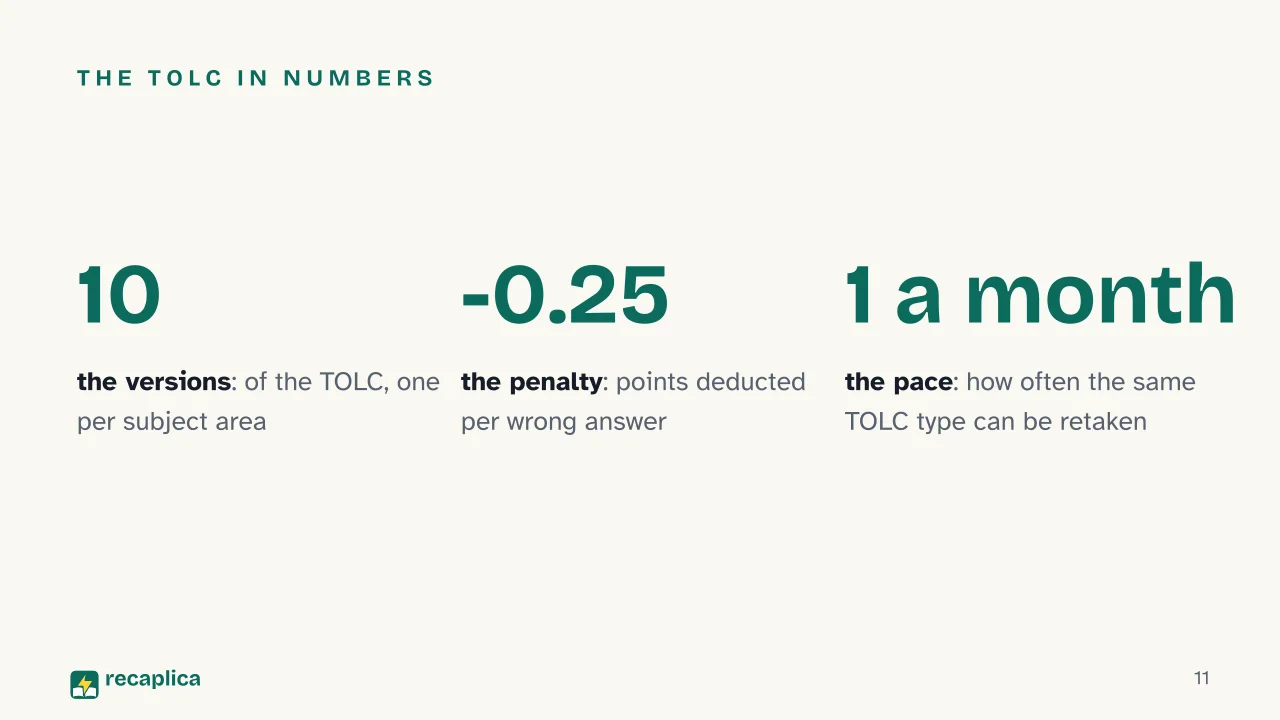
The TOLC comes in 10 versions, one per subject area: TOLC-I for Engineering and technical-scientific fields, TOLC-E for Economics and statistical or social sciences, TOLC-S for the sciences, TOLC-SU for humanities, TOLC-F for Pharmacy, TOLC-B for Biology, TOLC-AV for agricultural and veterinary sciences, TOLC-PSI for psychology, TOLC-SPS for political and social sciences, and TOLC-LP for professional programs. It can be taken two ways: TOLC@UNI, in person at a university, or TOLC@HOME, remotely. It’s offered from February through November, and the same TOLC type can be retaken at most once per calendar month.
Feature
National access
Local access (TOLC)
Who sets the exam
Ministry of University and Research
The individual university
Consistency
Same exam across Italy
Varies by university and program
Typical programs
Medicine, Dentistry, Veterinary Medicine, health professions, Primary Teacher Education, Architecture
Engineering, Economics, and many others, where required
Scoring
Set by ministerial decree
1 point correct answer, 0 unanswered, -0.25 wrong answer
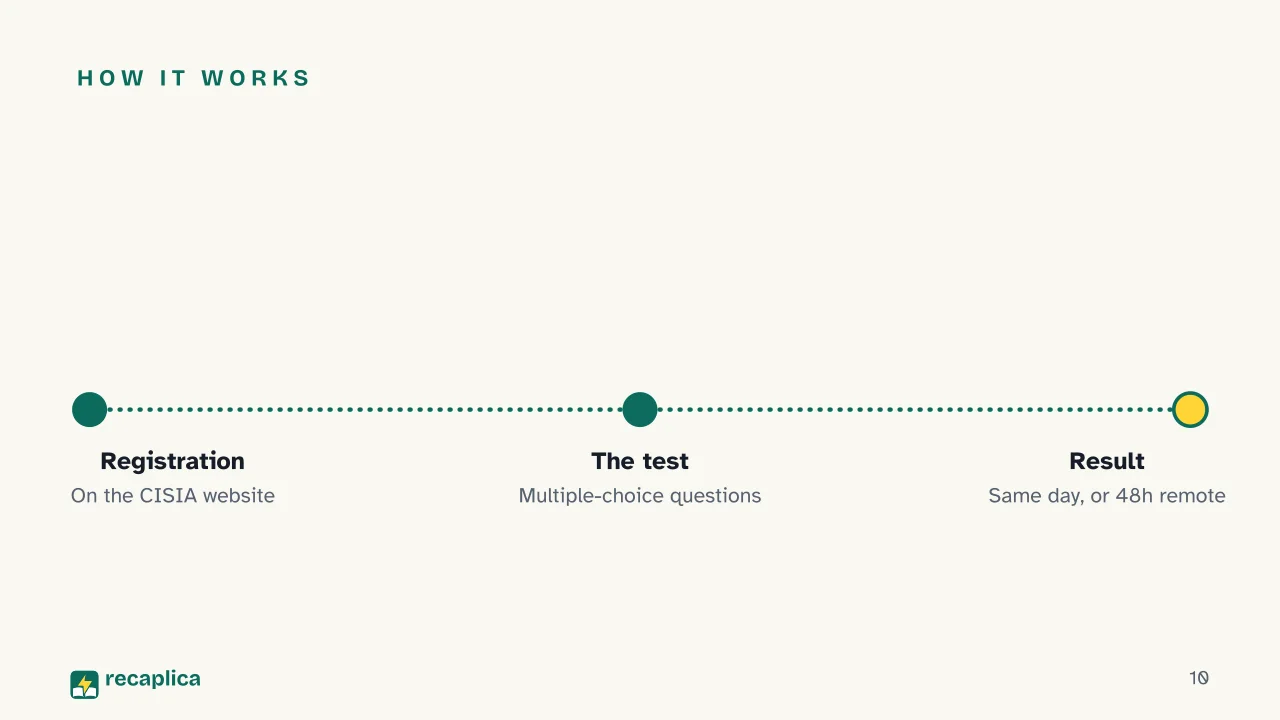
Every TOLC question has exactly one correct answer among those offered, and each test-taker gets a different set of questions, assembled automatically by the system. Results arrive right after TOLC@UNI, and within 48 hours (from 7:00 p.m. Italian time) for TOLC@HOME. CISIA lists an indicative cost of 35 euros per attempt, payable by credit card or bank transfer (MAV).
How to prepare
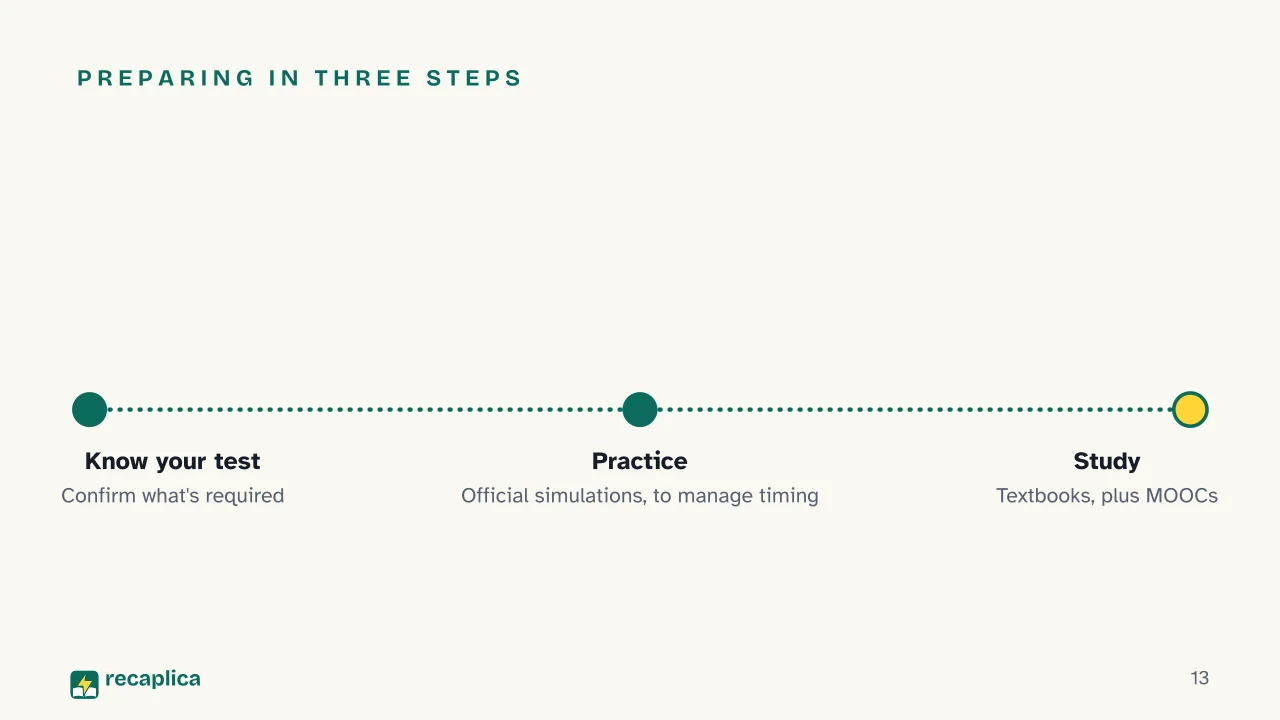
CISIA offers a practice area with simulations you can repeat as many times as you like, plus study materials specific to each TOLC type. Three practical tips, backed by an official source:
Check early which test type — and which subjects — your chosen degree program requires, by consulting its specific structure-and-syllabus pages.
Practice with the official simulations, not just to review theory but to learn how to manage the time you’ll have during the actual exam.
Use high-school-level textbooks as a study base, supplemented by CISIA’s own free online courses (MOOCs).
For anyone facing this step for the first time — the move from secondary school into a system with its own rules, which in other European countries follows different calendars and criteria (see when school starts across Europe) — the most useful thing is to start early: figure out which kind of access applies to the chosen program, national or local, and plan preparation accordingly, instead of finding out at the last minute before registration.
Registration for national controlled-access exams goes through the official Universitaly portal, typically in summer: the exact dates change from one academic year to the next and should be checked on the portal for the cycle that matters, rather than relying on a deadline seen somewhere else.
Slide deck
Slides ready to download and make your own in PowerPoint or Google Slides, with speaker notes. Pick the Flash cut or the Full one.
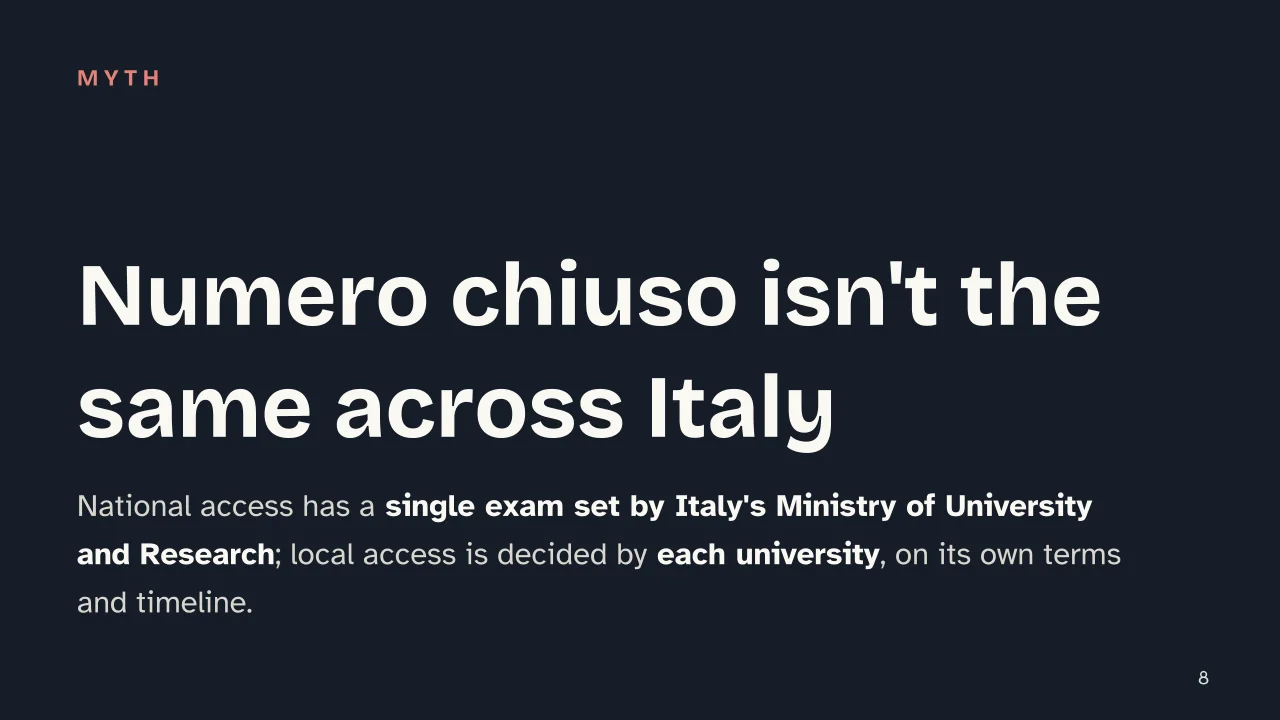
✗ Myth Numero chiuso is the same everywhere in Italy, with one identical test.
✓ Reality It depends on the level. For nationally programmed programs (Medicine, Dentistry, Veterinary Medicine, the health professions, Primary Teacher Education, Architecture), the exam is single and set by the MUR. For every other capped program, the university decides on its own — it can set a different test than another university, or no test at all. The same degree program can be capped at one university and open enrollment at another.
✗ Myth Every entrance exam is a negative-marking multiple-choice quiz, full stop.
✓ Reality Not anymore for everyone. Starting with the 2025/2026 academic year, Medicine and Surgery, Dentistry and Dental Prosthetics, and Veterinary Medicine (Italian-language tracks) replaced the traditional entrance exam with the open semester, a different mechanism introduced by Law 26/2025. The exam system isn't fixed, and it can change by legislative decision.
✗ Myth The TOLC is an exam you pass or fail, like a true entrance test.
✓ Reality The TOLC was designed as a knowledge-assessment test, used by universities for both capped and open-enrollment programs, and it can be taken as early as the second-to-last year of high school as an orientation tool, before enrollment even starts. It isn't a straight pass or fail: the score accompanies the enrollment application and is accepted by every university that uses that TOLC type, at least for the academic year in which it was taken.
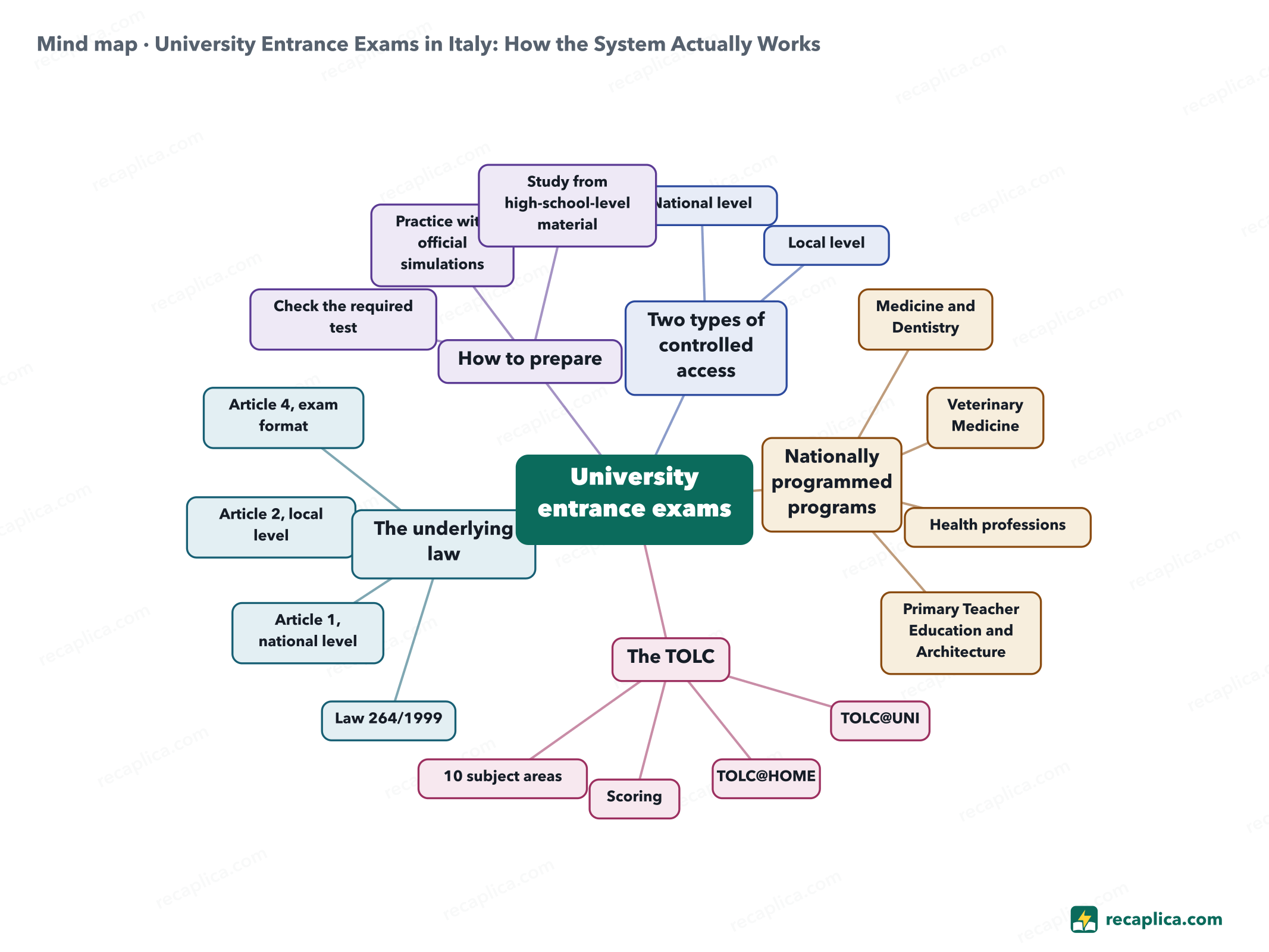
Mind map
Drag the background to move around and the nodes to reposition them; use − and + to collapse and expand branches.
National levelSingle exam, places and format set by the MUR
Local levelDecided by each university, program by program
Nationally programmed programs
Medicine and DentistryOpen semester in Italian, from 2025/2026
Veterinary Medicine
Health professions
Primary Teacher Education and Architecture
The TOLC
TOLC@UNIIn person, in a university classroom
TOLC@HOMERemote
Scoring1 point correct answer, -0.25 wrong answer
10 subject areasOne version per field of study
The underlying law
Law 264/1999The law that established controlled access
Article 1, national level
Article 2, local level
Article 4, exam format
How to prepare
Check the required testEach program has its own subjects and format
Practice with official simulations
Study from high-school-level material
Quiz: test yourself
Answer the questions to check what you have learned: you get instant feedback and a short explanation.
Grade0/100/5
Answers: 1-A · 2-A · 3-A · 4-A · 5-B
Flashcards
Tap the card to flip it and check whether you remember the answer, then move to the next one.
1 / 7
Explain it in your own words
The ultimate test: if you can explain it in simple words, you've truly understood it. Write your explanation, then compare it with the Recap.
Your explanation is saved only on this device.
In Italy, some university degree programs are open to anyone who enrolls; others require passing an entrance exam first. Law 264/1999 sets up two separate tracks: national controlled access, where Italy's Ministry of University and Research (MUR) sets a single exam that's the same at every university, and local controlled access, where each university decides on its own whether to run a test, what it covers, and when. The most common tool for local exams is the TOLC, run by the CISIA consortium, though it isn't the only model in use. This Recap explains the general framework of Italy's entrance exam rules, not the specific test for any one degree program.
Frequently asked questions
What is controlled access (accesso programmato) in Italy?
It's the system that caps enrollment in certain degree programs through an entrance exam. It works on two levels: national, with a single exam set by the MUR for a fixed list of programs, and local, where each university decides on its own whether, how, and when to test applicants.
Which programs have a national entrance exam?
Medicine and Surgery, Dentistry and Dental Prosthetics, Veterinary Medicine, the health professions, Primary Teacher Education, and Architecture. For Medicine, Dentistry, and Veterinary Medicine in Italian, though, the traditional exam has been replaced, as of 2025/2026, by the open semester.
What is the TOLC and what is it for?
It's the test created by CISIA and used by many Italian universities, both for local access and as an orientation tool for students still choosing a program. It can be taken in a university classroom (TOLC@UNI) or remotely (TOLC@HOME), and it comes in 10 subject-area versions.
How much does the TOLC cost?
CISIA lists a cost of 35 euros per attempt, payable by credit card or bank transfer (MAV); that's the amount stated on the consortium's official pages at the time of consultation.
How do you prepare for a university entrance exam?
CISIA recommends checking early which test type and subjects your chosen program requires, practicing with the official simulations to manage timing rather than just review theory, and using high-school-level textbooks as a base, supplemented by CISIA's own free MOOCs.
Every Recap goes through an independent review before publication.
Statistics, only if you say so
To learn which Recaps help most we would use Google Analytics, with aggregate, anonymous data. It starts only with your OK, and you can change your mind anytime. Privacy policy